















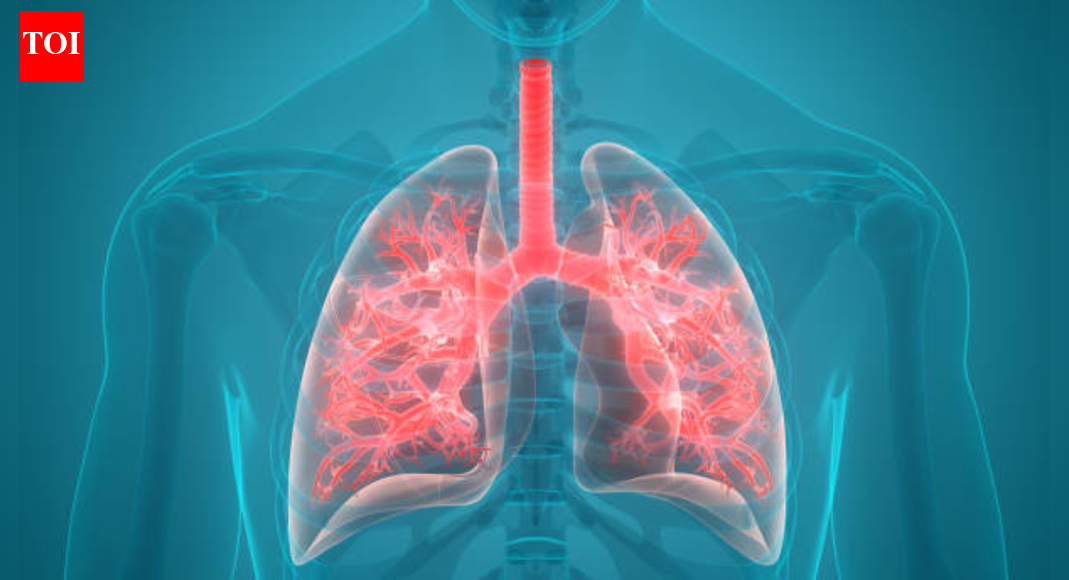



Air pollution has quietly become one of the most serious health threats of our time. In my years as a medical oncologist, I have seen firsthand how prolonged exposure to polluted air does much more than cause shortness of breath or temporary irritation. It weakens the immune system, worsens chronic diseases, overloads the heart and lungs, and complicates cancer treatment.High AQI days are no longer rare events; They are a constant reality of public health. And while large-scale solutions depend on policy and regulation, there is a lot each of us can do to protect our lungs right now.
Start with awareness
Before heading outdoors, check the air quality index as often as you check the weather. An AQI above 100 can already affect people with asthma, heart disease or compromised immunity. Once levels cross 200, even healthy people can experience lung inflammation and cardiovascular stress. When the AQI exceeds 300, outdoor exposure should be avoided unless absolutely unavoidable.
Choose the right protection
From a medical standpoint, not all masks offer significant protection. Cloth masks and standard surgical masks are ineffective against fine particles, especially PM2.5, the tiny particles that penetrate deep into the lungs and even enter the bloodstream. On high pollution days, a well-fitting N95 mask or equivalent is essential. Think of it not as an inconvenience, but as basic safety equipment much like gloves in an operating room.
Consider time and activity
Pollution levels fluctuate throughout the day. Pollutants tend to concentrate near the ground during the early morning or late afternoon and evening hours; Therefore, its effects can be more harmful. Midday hours may allow for slightly better dispersion. Try not to exercise during high AQI conditions because your breathing rate would be higher; therefore, you would ingest more pollutants.Don’t ignore indoor airPollution from outside does not stay outside and somehow enters inside. Closing all windows during peak ICA hours, using air purifiers with HEPA filters, and maintaining controlled ventilation can go a long way toward reducing indoor pollution. Having clean indoor air for children, seniors and cancer patients is not a privilege, it is a necessity for their health.
Support your body from the inside out
Drinking plenty of water can ensure that your airways stay moist, which can also help your body eliminate inhaled pollutants. Eating plenty of fruits, vegetables, nuts and seeds can ensure the intake of antioxidants that can minimize the negative effects of pollution on the body.
Pay attention to warning signs.
When air quality is an issue, it is essential that on high AQI days you never ignore cough, shortness of breath, chest discomfort, unusual fatigue or palpitations. While clean air may remain a political decision, the responsibility for safeguarding your lungs is in your own hands. Until air that is “safe to breathe” becomes a right, not a privilege, our best defense is our conscience.(Dr. Sachin Trivedi, Director of Medical Oncology, HCG ICS Khubchandani Cancer Centre, Colaba, Mumbai)