










A spinal cord injury (SCI) is a life-changing event that affects not only the individual but also their loved ones. Understanding the different types of spinal cord injuries can help patients and their families navigate treatment, rehabilitation, and long-term care more effectively.
1. Complete versus incomplete spinal cord injuries
The severity of an SCI is classified as complete either incomplete:
- full LIC: There is a total loss of motor and sensory function below the level of injury. This means that there is no voluntary movement or sensation in the affected areas.
- incomplete SCI: Some nerve signals can still pass through the injured area, allowing partial movement or sensation below the injury site. The potential for recovery is greater with incomplete injuries.
2. Levels of spinal cord injury
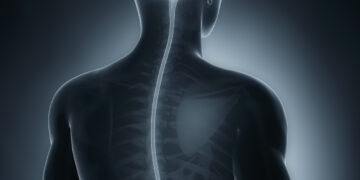
The spinal cord is divided into four regions and lesions are classified according to the affected area:
A. Cervical spinal cord injuries (C1-C8)
- It affects the neck and can cause tetraplegia (quadriplegia)causing paralysis in all four limbs and possibly the torso.
- Upper cervical injuries (C1-C4) may require respiratory assistance due to difficulty breathing.
- Lower cervical injuries (C5-C8) may allow some function of the arm and hand.
B. Thoracic spinal cord injuries (T1-T12)
- It affects the upper and middle back, leading to paraplegia (paralysis of the legs and lower body).
- Arm and hand function is usually preserved.
- Lesions T6 and above can affect trunk stability and blood pressure regulation.
C. Lumbar spinal cord injuries (L1-L5)
- It affects the lower back, causing weakness or paralysis in the legs (paraplegia).
- Mobility may be possible with braces or wheelchairs.
- Bowel and bladder control may be affected.
D. Sacral spinal cord injuries (S1-S5)
- It affects the pelvic region, often causing loss of bowel/bladder control and sexual dysfunction.
- Leg strength may be preserved, but some weakness or loss of sensation may occur.
3. Common causes of spinal cord injuries
- Traumatic injuries: Car accidents, falls, sports injuries and violence.
- Non-traumatic injuries: Infections, tumors, spinal stenosis or degenerative diseases.
4. What families should know about SCI recovery
- Early Intervention: Immediate medical attention improves results.
- Rehabilitation: Physical therapy, occupational therapy, and assistive devices help maximize independence.
- emotional support: Counseling and support groups are crucial for mental health.
- long term care: Many patients require adaptive equipment and lifestyle adjustments.
Conclusion
Understanding the type and level of a spinal cord injury helps patients and their families set realistic expectations and seek appropriate care. While SCI presents challenges, advances in medicine and rehabilitation offer hope for a better quality of life.
Would you like more details about treatment options or coping strategies? Let us know how we can help!