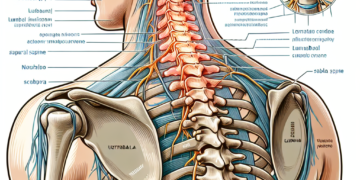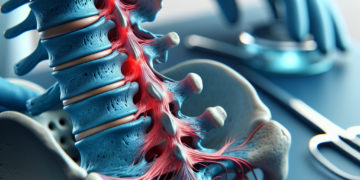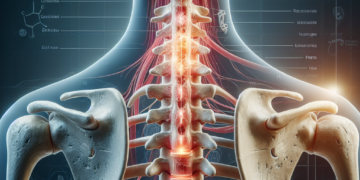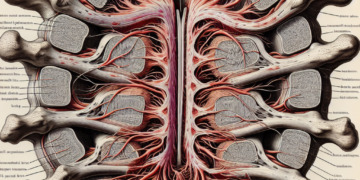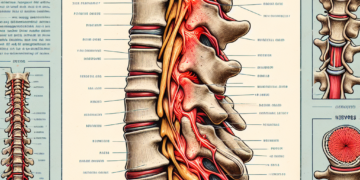
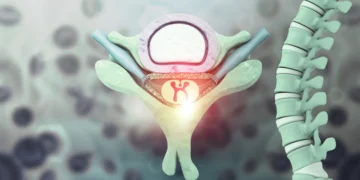










TO spinal cord injury (SCI) can have life-altering effects on mobility, sensation, and bodily functions. The severity and location of the injury determine the extent of impairment and potential for recovery. Understand the different types of spinal cord injuries:complete versus incomplete and tetraplegia versus paraplegia—can help patients, caregivers, and medical professionals manage expectations and optimize rehabilitation.
1. Complete versus incomplete spinal cord injuries
full LIC
TO complete spinal cord injury it means that there is Total loss of motor and sensory function below the level of injury.. This occurs when the spinal cord is completely severed or severely damaged, preventing signals from the brain from reaching below the injury site.
- Effects:
- No voluntary movement below the injury.
- No sensation (touch, pain, temperature).
- Loss of control of the bladder, bowels, and sexual function.
- Recovery prospects:
- Limited recovery of function below the injury.
- The focus is on Adaptation techniques, assistive devices and prevention of complications. (e.g., pressure sores, infections).
incomplete SCI
A incomplete spinal cord injury half some nerve signals still pass through the damaged areaallowing partial movement or sensation beneath the injury.
- Effects:
- Some voluntary movement may remain.
- Partial sensation (e.g., tingling, pressure, or perception of pain).
- Possible recovery of some functions with therapy.
- Recovery outlook:
- Better potential for neuroplasticity (nervous rewiring) and functional improvement.
- Rehabilitation (physical therapy, occupational therapy, electrical stimulation) can help regain strength and mobility.
2. Tetraplegia (quadriplegia) versus paraplegia
Tetraplegia (quadriplegia)
Tetraplegia affects the four limbs and the torsowhich occurs due to injuries to the cervical spine (neck region, C1-C7).
- Effects:
- Paralysis in arms, hands, trunk, legs.
- Possible breathing difficulties (if the injury is at C3 or higher).
- Loss of fine motor skills (gripping, writing).
- Recovery and Management:
- High-level injuries (C1-C4) often require ventilatory support.
- Lower cervical injuries (C5-C7) can preserve some arm function.
- Assistive technology (wheelchairs, voice-controlled devices) improves independence.
Paraplegia
Paraplegia affects the lower part of the body (legs and trunk)resulting from injuries to the thoracic, lumbar or sacral spine (T1-S5).
- Effects:
- Paralysis in legs and lower part of the body.
- Possible loss of bladder or bowel control.
- Upper body strength and arm function remain intact.
- Recovery and Management:
- Wheelchair mobility training. Helps with independence.
- Physiotherapy strengthens core and upper body.
- Some people regain limited leg movement with intensive rehabilitation.
3. Factors affecting recovery
- Injury level: Upper (cervical) injuries have more serious effects than lower (lumbar) injuries.
- Early Medical Intervention: Immediate treatment (surgery, steroids) can reduce swelling and cause further damage.
- Rehabilitation: Intensive therapy improves neuroplasticity and function.
- Age and general health: Younger, healthier people tend to recover better.
Conclusion
Spinal cord injuries vary widely in their impact, depending on whether they are complete or incomplete and if they cause tetraplegia or paraplegia. While complete injuries often result in permanent disability, Incomplete injuries offer hope for partial recovery. with adequate rehabilitation. Advances in research with stem cells, exoskeletons and nerve stimulation continue to improve outcomes for patients with SCI.
If you or a loved one has suffered an SCI, consult a specialist to explore the best treatment and rehabilitation options to maximize recovery and quality of life.
Would you like additional details on rehabilitation techniques or emerging treatments for SCI? Let me know how I can help!