


















Introduction
Weight loss is often seen as a simple equation of calories in and calories out. However, for many people, emotional eating (consuming food in response to feelings rather than hunger) plays an important role in weight management. Understanding emotional eating and learning to overcome it may be the key to sustainable weight loss and better overall health.
What is emotional eating?
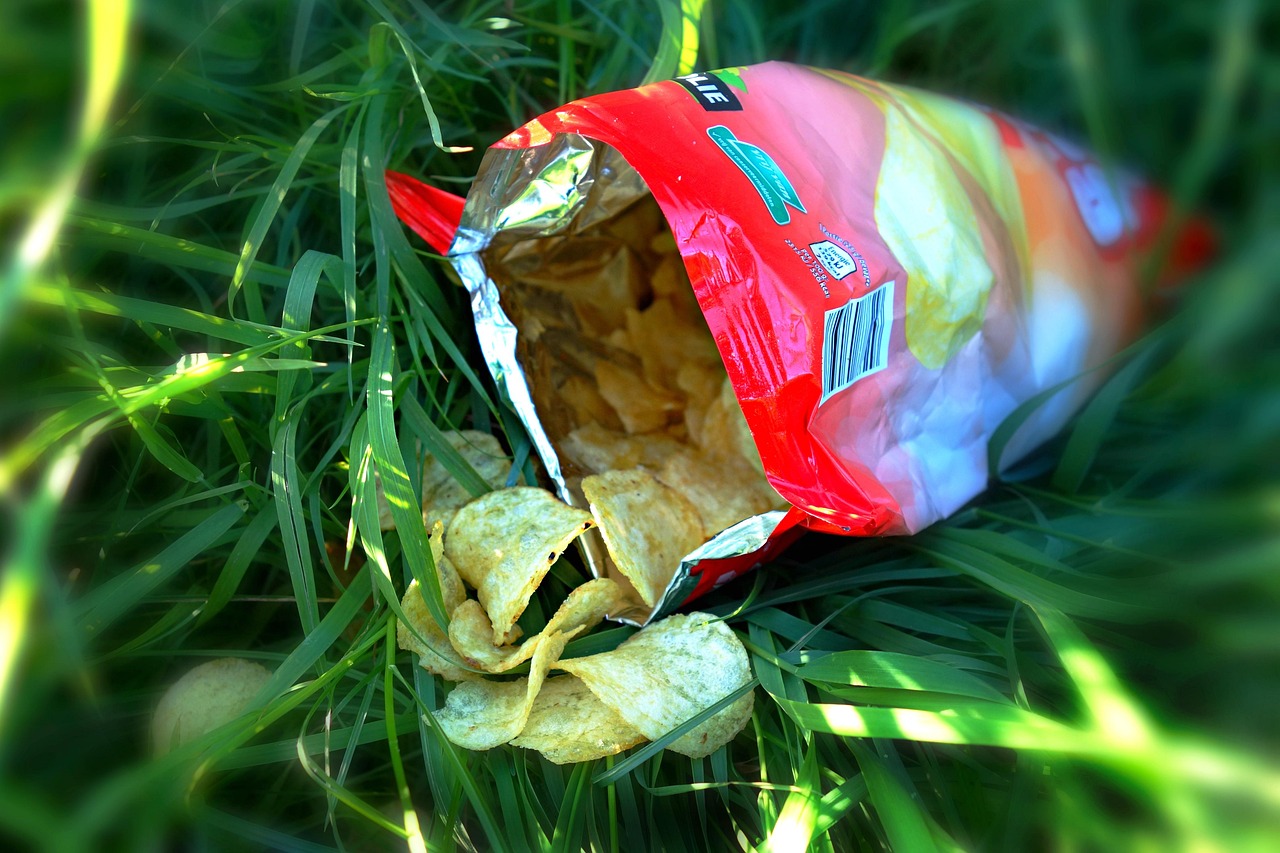
Emotional eating occurs when people use food to cope with emotions such as stress, sadness, boredom, or even happiness. Unlike physical hunger, which develops gradually and can be satisfied with a variety of foods, emotional hunger is sudden, often craves specific comfort foods (such as candy or junk food), and leads to mindless eating.
Common Triggers of Emotional Eating
- Stress – Cortisol, the stress hormone, can increase cravings for high-calorie foods.
- Boredom or loneliness – Eating becomes a way to fill an emotional void.
- Habit – Associate certain activities (such as watching television) with snacks.
- Childhood habits – Reward with food or use it as a comfort mechanism.
- Social influences – Eating more in social settings due to peer pressure or celebration.
How emotional eating affects weight loss
Emotional eating disrupts weight loss efforts in several ways:
- Excessive calorie intake – Comfort foods are often high in sugar, fat, and calories.
- Cycles of guilt and shame – Overeating generates negative emotions, which can trigger more emotional eating.
- Altered hunger signals – Ignoring true hunger and satiety cues makes portion control difficult.
- Metabolic impact – Chronic stress and poor eating habits can slow down your metabolism over time.
How to overcome emotional eating
Breaking free from emotional eating requires both self-awareness and healthier coping strategies.
1. Identify your triggers
- Keep a food and mood diary to track what you eat and how you feel.
- Recognize patterns (e.g., stress at work leading to afternoon snacks).
2. Find alternative coping mechanisms
Instead of turning to food, try:
- Exercise (walking, doing yoga or dancing to relieve stress).
- Mindfulness and meditation to manage emotions.
- creative outlets like writing, drawing or playing music.
- Talk to a friend or therapist for emotional support.
3. Practice conscious eating
- Eat slowly and savor each bite.
- Avoid distractions (TV, phone) while eating.
- Listen to your body’s hunger and fullness signals.
4. Fill your kitchen with healthy options
- Replace junk food with nutritious snacks like fruits, nuts, or yogurt.
- Prepare balanced meals to avoid impulsive and unhealthy choices.
5. Get enough sleep and manage stress
- Poor sleep increases hunger hormones (ghrelin) and decreases satiety hormones (leptin).
- Stress management techniques (deep breathing, journaling) can reduce cravings.
6. Seek professional help if necessary
If emotional eating feels uncontrollable, consider:
- TO nutritionist for personalized meal plans.
- TO therapist to address underlying emotional issues.
Conclusion
Emotional eating is a common obstacle to weight loss, but it can be overcome with awareness, healthier habits, and alternative coping strategies. By addressing the root causes of emotional eating and developing mindful eating practices, you can achieve successful long-term weight loss and a healthier relationship with food.
Would you like additional tips on how to manage cravings or stress-related eating? Let me know how I can help!