








• About Us
  • Contact Us
  • Spinal Cord Injury Videos
  • Disclaimer
  • Privacy Policy
Friday, January 23, 2026
Rajesh Spinal Injury
  • Home
  • Spinal Cord Injury
    • Quadriplegia
    • Paraplegia
    •  SCI Levels & Functions
    • Latest Breakthrough in SCI
    • Spinal Cord Injury Research
    • Spinal Cord Injury Videos
  • Rehabilitation
    • Physiotherapy and Occupational Therapy
    • Brain & Spine Chip Implants
    •  Epidural Stimulation
    • Stem Cell Therapy
    •  Spinal Cord Injury Drugs
  • Latest SCI News
    Spinal cord injuries in Gaza risk permanent disability for children

    Spinal cord injuries in Gaza risk permanent disability for children

    EEG technology could be a useful tool for linking brain signals with limb movements

    EEG technology could be a useful tool for linking brain signals with limb movements

    The first stage of testing of a drug aimed at complete spinal cord injury is approved in Brazil – 05/01/2026 – Science and Health

    The first stage of testing of a drug aimed at complete spinal cord injury is approved in Brazil – 05/01/2026 – Science and Health

    Injectable nanomaterials reduce secondary brain damage after ischemic stroke

    Injectable nanomaterials reduce secondary brain damage after ischemic stroke

    3 reflections from Dennis Prager after spinal cord injury

    3 reflections from Dennis Prager after spinal cord injury

    recovery is more difficult for older people with spinal cord injury | Housing

    recovery is more difficult for older people with spinal cord injury | Housing

    Study reveals how the nervous system activates repair after spinal cord injury

    Study reveals how the nervous system activates repair after spinal cord injury

    How does age affect recovery from spinal cord injury?

    How does age affect recovery from spinal cord injury?

    Older age influences functional recovery after spinal cord injury

    Older age influences functional recovery after spinal cord injury

  • Spine
    • Spinal Cord Injury Ai
  • Health News
    The growth of Inside Life Medical from a single service to a broader medical ecosystem

    The growth of Inside Life Medical from a single service to a broader medical ecosystem

    The United States officially leaves the World Health Organization

    The United States officially leaves the World Health Organization

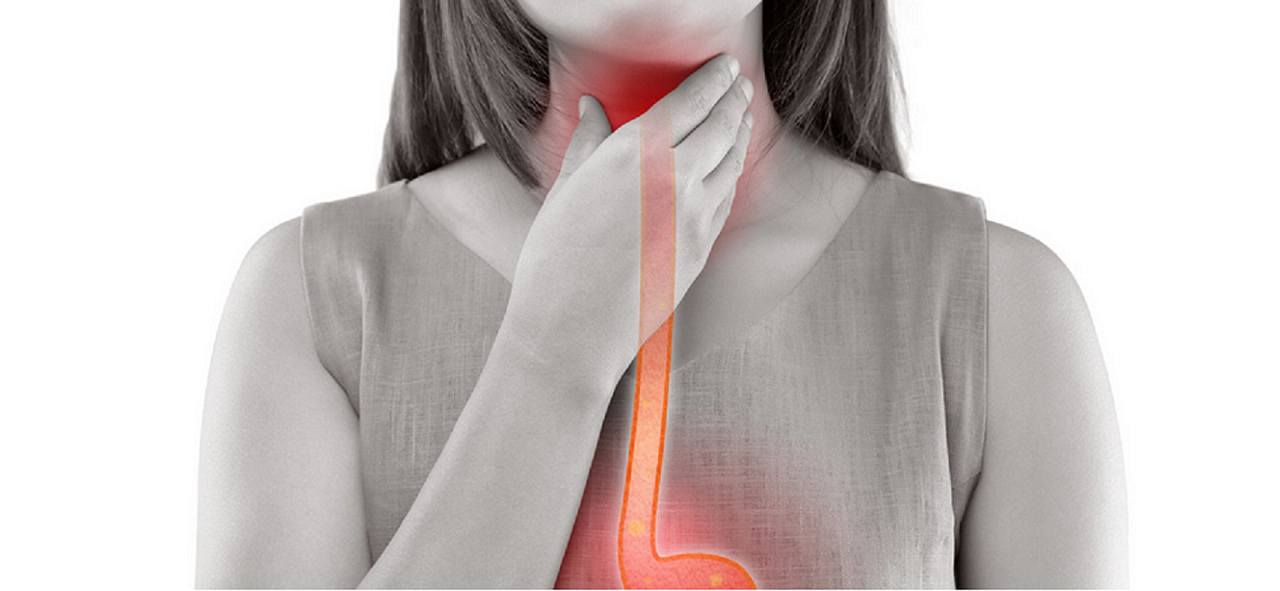
    How an Underactive Thyroid Destroys Your Energy and Metabolism

    How an Underactive Thyroid Destroys Your Energy and Metabolism

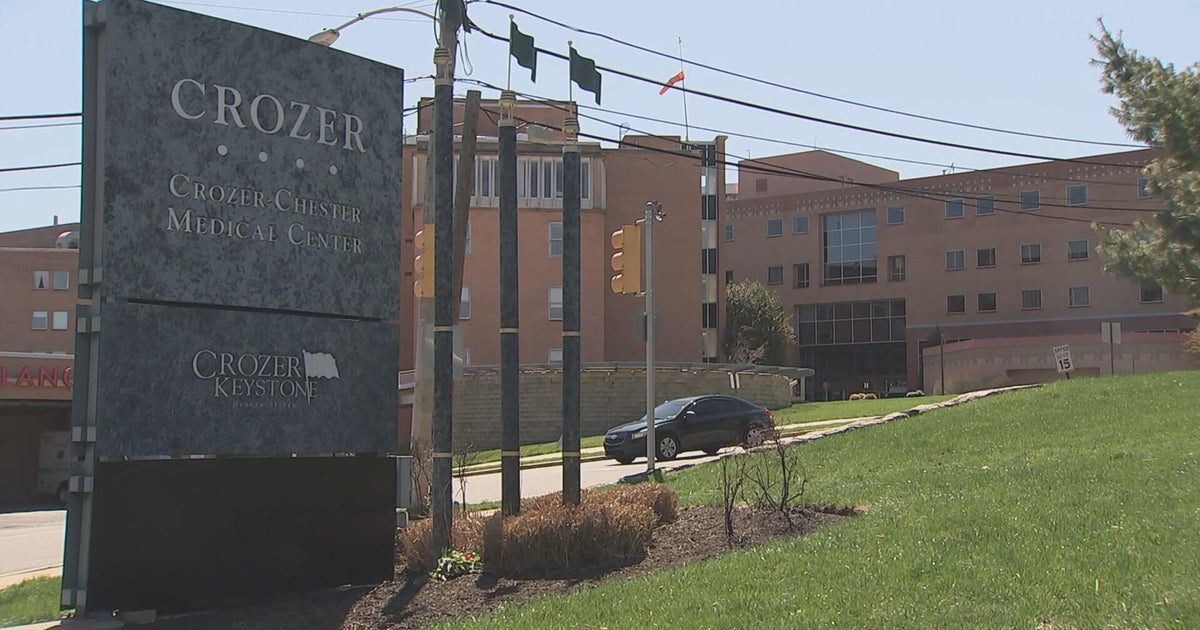
    New owners of Crozer-Chester Medical Center plan to restore essential healthcare services to Delaware County

    New owners of Crozer-Chester Medical Center plan to restore essential healthcare services to Delaware County

    ‘The public sector must play a dominant role in healthcare’ | India News

    ‘The public sector must play a dominant role in healthcare’ | India News

    Common Triggers, Symptom Patterns, and Relief Strategies

    Common Triggers, Symptom Patterns, and Relief Strategies

    American Indians hold free MLK Day health camp in Boston

    American Indians hold free MLK Day health camp in Boston

    7 Subtle Signs Caregivers Miss (And How to Prevent Them)

    7 Subtle Signs Caregivers Miss (And How to Prevent Them)

    Beyond prevention: Routine vaccines offer surprising health benefits for older adults

    Beyond prevention: Routine vaccines offer surprising health benefits for older adults

  • Weight Loss Ai
  • More
    • NeuroScience
    • Brain Computer Interface
    • Diet-Nutrition
    • Spinal Cord Injury Videos
No Result
View All Result
  • Home
  • Spinal Cord Injury
    • Quadriplegia
    • Paraplegia
    •  SCI Levels & Functions
    • Latest Breakthrough in SCI
    • Spinal Cord Injury Research
    • Spinal Cord Injury Videos
  • Rehabilitation
    • Physiotherapy and Occupational Therapy
    • Brain & Spine Chip Implants
    •  Epidural Stimulation
    • Stem Cell Therapy
    •  Spinal Cord Injury Drugs
  • Latest SCI News
    Spinal cord injuries in Gaza risk permanent disability for children

    Spinal cord injuries in Gaza risk permanent disability for children

    EEG technology could be a useful tool for linking brain signals with limb movements

    EEG technology could be a useful tool for linking brain signals with limb movements

    The first stage of testing of a drug aimed at complete spinal cord injury is approved in Brazil – 05/01/2026 – Science and Health

    The first stage of testing of a drug aimed at complete spinal cord injury is approved in Brazil – 05/01/2026 – Science and Health

    Injectable nanomaterials reduce secondary brain damage after ischemic stroke

    Injectable nanomaterials reduce secondary brain damage after ischemic stroke

    3 reflections from Dennis Prager after spinal cord injury

    3 reflections from Dennis Prager after spinal cord injury

    recovery is more difficult for older people with spinal cord injury | Housing

    recovery is more difficult for older people with spinal cord injury | Housing

    Study reveals how the nervous system activates repair after spinal cord injury

    Study reveals how the nervous system activates repair after spinal cord injury

    How does age affect recovery from spinal cord injury?

    How does age affect recovery from spinal cord injury?

    Older age influences functional recovery after spinal cord injury

    Older age influences functional recovery after spinal cord injury

  • Spine
    • Spinal Cord Injury Ai
  • Health News
    The growth of Inside Life Medical from a single service to a broader medical ecosystem

    The growth of Inside Life Medical from a single service to a broader medical ecosystem

    The United States officially leaves the World Health Organization

    The United States officially leaves the World Health Organization

    How an Underactive Thyroid Destroys Your Energy and Metabolism

    How an Underactive Thyroid Destroys Your Energy and Metabolism

    New owners of Crozer-Chester Medical Center plan to restore essential healthcare services to Delaware County

    New owners of Crozer-Chester Medical Center plan to restore essential healthcare services to Delaware County

    ‘The public sector must play a dominant role in healthcare’ | India News

    ‘The public sector must play a dominant role in healthcare’ | India News

    Common Triggers, Symptom Patterns, and Relief Strategies

    Common Triggers, Symptom Patterns, and Relief Strategies

    American Indians hold free MLK Day health camp in Boston

    American Indians hold free MLK Day health camp in Boston

    7 Subtle Signs Caregivers Miss (And How to Prevent Them)

    7 Subtle Signs Caregivers Miss (And How to Prevent Them)

    Beyond prevention: Routine vaccines offer surprising health benefits for older adults

    Beyond prevention: Routine vaccines offer surprising health benefits for older adults

  • Weight Loss Ai
  • More
    • NeuroScience
    • Brain Computer Interface
    • Diet-Nutrition
    • Spinal Cord Injury Videos
No Result
View All Result
Spinal Cord Injury
No Result
View All Result
Home NeuroScience

Strong Marriages May Rewire Gut-Brain Signals

Editor's by Editor's
December 4, 2025
in NeuroScience
0
0
Strong Marriages May Rewire Gut-Brain Signals

Summary: Strong emotional support within marriage may help protect against obesity by altering the way the brain and gut communicate. People in high-support marriages showed better control of food cravings, healthier gut metabolism, and higher levels of oxytocin, a hormone linked to bonding and appetite regulation.

These biological changes were not observed in single people or in marriages with little emotional support. The findings suggest that relationship quality may be a powerful and overlooked factor in long-term weight regulation.

Key facts

Brain control: Supportive marriages were linked to stronger activity in brain regions that regulate cravings. Gut metabolism: Emotional support was associated with healthier tryptophan-related gut metabolites linked to serotonin and energy balance. Link with oxytocin: Higher levels of oxytocin appeared to coordinate both appetite control and gut metabolic health.

Source: UCLA

According to new research from UCLA Health, strong social relationships, particularly high-quality marriages, may help protect against obesity by influencing a complex communication system between the brain and the gut.

The study, published in the journal Gut Microbes, is the first to demonstrate how social ties influence weight and eating behaviors through an integrated pathway involving brain function, metabolism and the hormone oxytocin, sometimes called the “love hormone.”

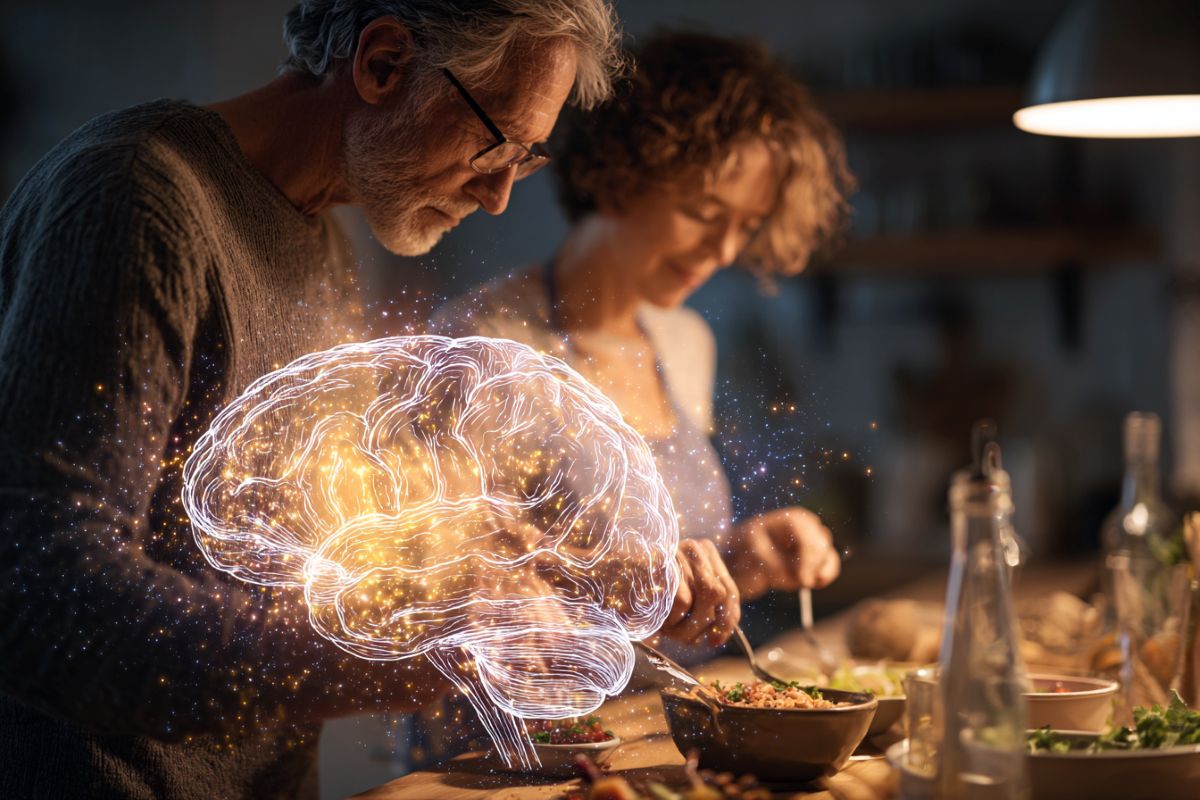
“Think of oxytocin as a conductor orchestrating a symphony between the brain and the gut,” Church said. Credit: Neuroscience News

The findings suggest that the quality of relationships may be as important for physical health as traditional risk factors such as exercise and diet.

“We have known for years that social relationships impact health, and that supportive connections increase survival rates by up to 50%,” said lead author Dr. Arpana Church, a neuroscientist at UCLA Health.

“The biological mechanisms that explain this connection remain elusive. Our study reveals a novel pathway showing how marriage and emotional support literally get ‘under the skin’ to influence obesity risk.”

Nearly 100 participants from the Los Angeles area participated in the study. Participants provided data including marital status, current body mass index (BMI), race, age, sex, dietary style and quality, and socioeconomic status.

The researchers also performed several tests on the participants, including brain imaging while shown images of food; fecal samples to detect metabolites; blood plasma tests to measure oxytocin levels; and clinical and behavioral assessments, including assessment of your perceived emotional support system.

Church’s lab found that married people with higher perceived emotional support had a lower body mass index and exhibited fewer food addiction behaviors compared to married participants with low emotional support. Brain imaging showed that these individuals had greater activity in the dorsolateral prefrontal cortex, which controls cravings and appetite, when viewing images of food.

In contrast, single people with and without strong emotional support did not show the same brain patterns, potentially due to more diverse and less consistent social support networks.

Social support also had significant changes in intestinal metabolism. Those with stronger support showed beneficial changes in tryptophan metabolites, which are compounds produced by gut bacteria that regulate inflammation, immune function, energy balance, and brain health. These metabolites are also involved in the production of serotonin and other compounds that can influence mood, social behavior, and metabolism.

Central to these findings is the hormone oxytocin. Married participants with strong emotional support showed higher levels of oxytocin compared to single individuals. Church said their findings suggest that oxytocin may act as a biological messenger that simultaneously enhances brain regions involved in self-control while promoting healthier gut metabolic profiles.

“Think of oxytocin as a conductor orchestrating a symphony between the brain and the gut,” Church said. “It strengthens the brain’s ability to resist food cravings while promoting beneficial metabolic processes in the gut, which help maintain a healthy weight.”

The research also challenges oversimplified views about marriage and weight. The benefits related to self-control, metabolism, and oxytocin levels were more pronounced among married participants who endorsed greater emotional support.

“Marriage can serve as a training ground for self-control,” Church said. “Maintaining a long-term partnership requires constantly overriding destructive impulses and aligning yourself with long-term goals, which can strengthen the same brain circuits involved in managing eating behavior.”

Church said the study opens potential avenues for obesity prevention and treatment by incorporating the need to build strong social relationships along with a healthy diet and exercise.

“These results underscore the critical importance of building long-lasting, positive, and stable relationships to promote overall health,” Church said. “Social connections are not only emotionally satisfying; they are biologically integrated into our health.”

The authors noted several limitations. The study captured data at a single point in time and cannot definitively establish cause-and-effect relationships, Church said.

Additionally, most participants were overweight or obese, and married participants tended to be older. Future research with larger, more diverse samples and longitudinal designs is needed to confirm these findings and better understand the mechanisms involved.

Key questions answered:

Q: How can relationships affect body weight?

A: High-quality emotional support appears to influence the brain’s control of cravings, gut metabolism, and hormonal signaling that regulates weight.

Q: What biological systems are involved?

A: The pathway includes the prefrontal cortex, gut microbes, oxytocin, and tryptophan-related metabolites related to appetite and energy balance.

Q: Could this lead to new treatments for obesity?

A: Potentially, combining social support strategies with traditional diet and exercise approaches.

Editorial notes:

This article was edited by a Neuroscience News editor. Magazine article reviewed in its entirety. Additional context added by our staff.

About this research news in neuroscience and microbiome

Author: Will Houston
Source: UCLA
Contact: Will Houston – UCLA
Image: Image is credited to Neuroscience News.

Original research: Open access.
“Social Bonds and Health: Exploring the Impact of Social Relationships on Oxytocin and Gut-Brain Communication in Shaping Obesity” by Arpana Church, et al. Gut microbiomes

Abstract

Social Bonds and Health: Exploring the Impact of Social Relationships on Oxytocin and Gut-Brain Communication in the Shape of Obesity

Social relationships play a crucial role in shaping health.

To better understand the underlying mechanisms, we explored the independent and interactive effects of perceived emotional support (PES) and marital status on body mass index (BMI), eating behaviors, brain reactivity to food images, plasma oxytocin, and alterations in the brain-gut microbiome (BGM) system.

Brain responses to food stimuli, fecal metabolites, and plasma oxytocin levels were measured in 94 participants.

Structural equation modeling was used to determine integrated pathways linking social factors to obesity-related outcomes.

Marital status and PES interact and independently influence lower BMI, healthier eating behaviors, higher levels of oxytocin, food cue reactivity in frontal brain regions involved in craving inhibition and executive control, and tryptophan pathway metabolites related to inflammation, immune regulation, and energy homeostasis.

These findings suggest that supportive human relationships, particularly high-quality marital bonds, may regulate obesity risk through oxytocin-mediated alterations in brain and gut pathways.
ShareTweetSendShare
Editor's

Editor's

Related Posts

Early intervention helps most autistic children acquire spoken language
NeuroScience

Early intervention helps most autistic children acquire spoken language

January 23, 2026
0
Brain conductors find precise connection to target cells through protein handshake
NeuroScience

Brain conductors find precise connection to target cells through protein handshake

January 14, 2026
3
Multilingualism Calculator Reveals True Language Strengths
NeuroScience

Multilingualism Calculator Reveals True Language Strengths

January 5, 2026
0
The brain combines fast and slow signals to shape human thinking
NeuroScience

The brain combines fast and slow signals to shape human thinking

January 3, 2026
0
Immune Signal Index May Predict Progressive Multiple Sclerosis
NeuroScience

Immune Signal Index May Predict Progressive Multiple Sclerosis

January 2, 2026
1
AI brain model shows how neurons learn and where they fail
NeuroScience

AI brain model shows how neurons learn and where they fail

January 1, 2026
1
Load More
No Result
View All Result

Rajesh Logo14 White

Rajeshspinalinjury.com is the ‘Latest Spinal Cord Injury NEWS & Information’ website. 
Address:  Dhariwal, Gurdaspur, Punjab. India
Email: rajeshspinal@gmail.com

Categories

  • Brain Computer Interface
  • Diet & Nutrition
  • Epidural Stimulation
  • Health News
  • Latest SCI News
  • NeuroScience
  • SCI Research
  • Spinal Cord Injury Ai
  • Spine
  • Weight Loss Ai
No Result
View All Result

Recent News

The growth of Inside Life Medical from a single service to a broader medical ecosystem

The growth of Inside Life Medical from a single service to a broader medical ecosystem

January 23, 2026
Early intervention helps most autistic children acquire spoken language

Early intervention helps most autistic children acquire spoken language

January 23, 2026
  • Home
  • Spinal Cord Injury Videos
  • About Us
  • Contact Us
  • Disclaimer
  • Privacy Policy
  • Terms of Condition

RajeshSpinalInjury ©2025 || All Right Reserved. Design & Development by Rajesh

Welcome Back!

Login to your account below

Forgotten Password?

Retrieve your password

Please enter your username or email address to reset your password.

Log In

Add New Playlist

No Result
View All Result
  • Home
  • Spinal Cord Injury
    •  SCI Levels & Functions
    • Latest Breakthrough in SCI
    •  Spinal Cord Injury Drugs
    • Spinal Cord Injury Research
  • Paraplegia
  • Quadriplegia
  • Rehabilitation
    • Brain & Spine Chip Implants
    • Physiotherapy and Occupational Therapy
    • Stem Cell Therapy
    •  Epidural Stimulation
  • Latest SCI News
  • Spine
    • Spinal Cord Injury Ai
  • NeuroScience
  • Brain Computer Interface
  • Health News
    • Diet & Nutrition
    • Weight Loss Ai
  • Spinal Cord Injury Videos
  • About Us
  • Contact Us

RajeshSpinalInjury ©2025 || All Right Reserved. Design & Development by Rajesh