














Spinal cord injuries (SCI) have long been considered irreversible, leaving patients with permanent paralysis and loss of sensation. However, recent scientific advances are bringing new hope to millions of people around the world. Cutting-edge therapies, ranging from stem cell treatments to neural prostheses, show promise in restoring function and improving quality of life for SCI patients.
The challenge of spinal cord injuries
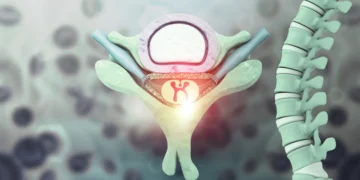
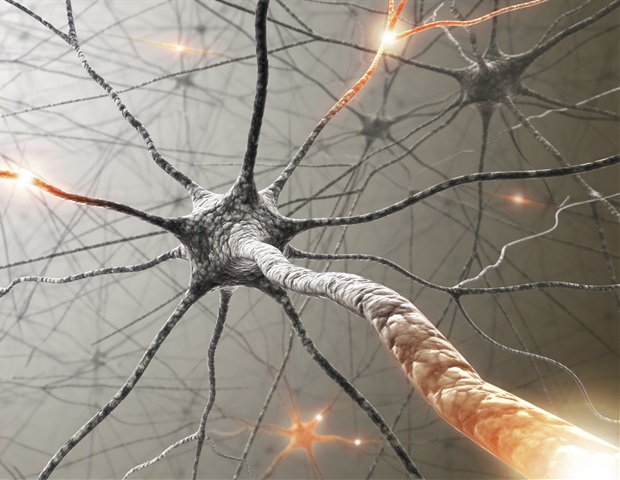
The spinal cord is a delicate set of nerves responsible for transmitting signals between the brain and body. When damaged, these connections are disrupted, leading to partial or complete paralysis below the injury site. Traditional treatments focus on rehabilitation and assistive devices, but do not repair damaged tissue.
Emerging innovative therapies
1. Stem cell therapy
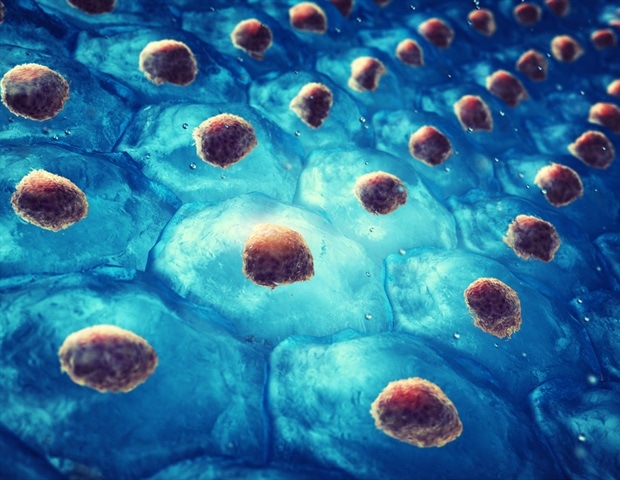
Stem cells have the unique ability to develop into different types of cells, making them a powerful tool for regenerating damaged spinal tissue. Recent clinical trials have shown that stem cell transplants can promote nerve growth and improve motor function in patients with SCI.
- Ependymal stem cells: Researchers are exploring ependymal cells, which naturally reside in the spinal cord and can be activated to aid in repair.
- Induced pluripotent stem cells (iPSCs): These lab-grown stem cells can be customized to match the patient’s own cells, reducing the risks of rejection.
2. Electrical stimulation and brain-computer interfaces (BCI)
Electrical stimulation techniques, such as epidural stimulation, have allowed some paralyzed patients to regain voluntary movement. Combined with intensive physical therapy, these methods reactivate inactive nerve pathways.
- Brain-computer interfaces (BCI): Devices like Neuralink and other neuroprosthetics decode brain signals and prevent spinal cord damage, allowing patients to control robotic limbs or exoskeletons with their thoughts.
3. Gene therapy
Scientists are using gene editing tools like CRISPR to modify genes that inhibit spinal cord repair. By targeting molecules that block regeneration, gene therapy could unlock the natural healing potential of the spinal cord.
4. Biomaterial scaffolds
Innovative biomaterials are being developed to close gaps in the spinal cord. These scaffolds, often combined with growth factors, provide a support structure for nerve fibers to regrow at injury sites.
Success stories and clinical trials
- The E-STAND test: A study using epidural stimulation helped paralyzed patients stand and take steps with assistance.
- Stem cell trials in Japan: A 2023 trial showed improved hand and arm function in patients with chronic SCI after stem cell injections.
- Neuralink Advance: Elon Musk’s company recently implanted a BCI in a human, raising hopes for future SCI applications.
The road ahead
While these therapies are still in development, the progress is undeniable. Regulatory approvals and large-scale testing will determine its widespread availability. For now, the future looks brighter than ever for SCI patients, with a real potential for partial or even full recovery on the horizon.
Conclusion
Spinal cord injury research is entering a transformative era. With the rapid advancement of stem cells, neurotechnology and regenerative medicine, the dream of reversing paralysis is becoming a reality. Patients, families, and researchers alike can look forward to a future in which spinal cord injuries are no longer a life sentence, but a treatable condition.
Stay tuned for more updates as science continues to push the limits of what is possible!
Would you like to expand on any section or obtain additional details about specific therapies?