



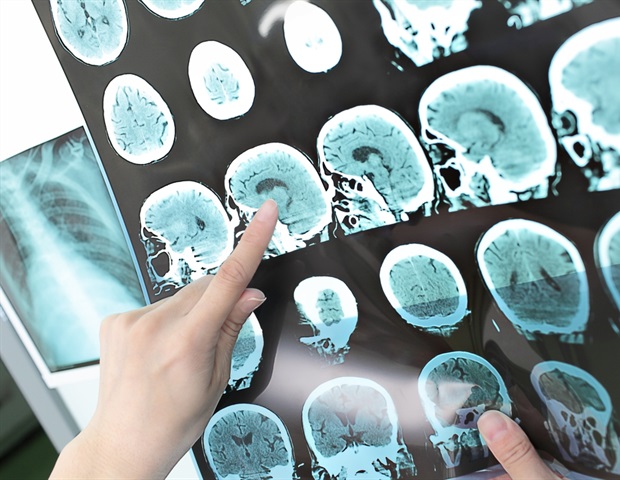




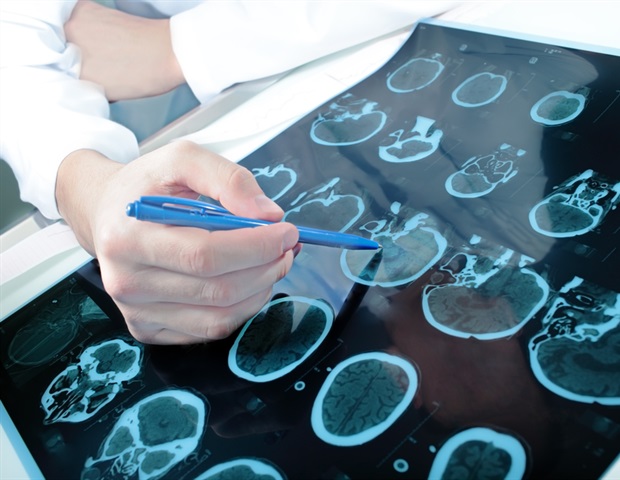










TO dehydration headache It can occur when the body lacks enough fluids, often because insufficient water intake reduces blood volume and causes tissues, including those around the brain, to shrink slightly. This contraction can pull on the lining of the brain, causing pain that can range from dull and stabbing to sharp and throbbing. Proper hydration for health helps maintain fluid balance, ensuring constant blood flow and preventing those painful contractions.
Even mild dehydration disrupts electrolyte balance and cerebral circulation, making regular fluid intake essential for daily well-being. Understanding how low hydration levels cause headaches underscores why water isn’t optional: it’s a critical pillar of neurological and overall health. Maintaining hydration helps prevent headaches and promotes better concentration, mood, and body function.
Physiological mechanisms behind dehydration headache
Understanding the dehydration headache process begins with how low water intake affects the brain and blood flow. Reduced hydration causes blood vessels to constrict and brain tissues to temporarily shrink, triggering pain signals. Recognizing these physiological mechanisms helps explain why even mild dehydration can cause persistent or severe headaches.
Reduction in blood volume due to inadequate water intake reduces oxygen supply to the brain, causing constriction of blood vessels, a common cause of dehydration headache. When brain volume briefly drops, the meninges (the membranes surrounding the brain) stretch and activate pain receptors, producing a sensation that may feel like pressure or palpitations. According Harvard Health PublicationsHowever, this pulling effect on brain tissues is a primary mechanism behind dehydration headaches. Electrolyte imbalances, especially when water loss is accompanied by sweating, vomiting, or illness, alter nerve signals and can amplify pain sensations, making headaches more intense. People prone to migraines or vascular sensitivity may find that dehydration triggers their headaches more easily, because their vascular systems react more strongly to fluid loss. Based on a study carried out by the National Institutes of HealthMigraine-prone people are particularly susceptible to vascular changes caused by dehydration.
Even modest dehydration can trigger this chain of events (reduced circulation, stretched membranes, altered electrolytes) and lead to noticeable headaches if hydration is not restored.
Prevention through adequate water intake and hydration
Maintaining adequate hydration is essential for preventing dehydration-related headaches and supporting overall bodily functions. Regular water intake replenishes fluids, stabilizes electrolyte levels, and maintains stable cerebral blood flow. Implementing consistent hydration habits ensures that you minimize the risk of dehydration headaches while promoting overall well-being.
Adults generally need between 2.7 liters (for women) and 3.7 liters (for men) of total fluid intake per day, including water from water-rich drinks and foods, to maintain adequate hydration and avoid symptoms related to dehydration. According to the Mayo ClinicThese levels support optimal hydration for health and prevent common symptoms of dehydration, including headaches. Monitoring urine color helps measure hydration: Light yellow or clear urine generally means you’re well hydrated, while darker shades suggest you need more fluids. For better balance, include electrolyte-rich fluids (or foods rich in potassium, sodium, and magnesium), especially if you sweat a lot, exercise, or live in a hot climate. This helps prevent dehydration and headaches and maintains nerve function. Limit high-caffeine or sugary drinks, which can dehydrate you; Drinking water during meals, between meals and during activity promotes constant fluid intake. Adjust water intake based on individual factors: activity level, climate, body size, and general health, especially during illness, high heat, or intense exertion.
By prioritizing consistent hydration, you protect your brain and body, reduce the risk of headaches, and support overall health.
Conclusion
Understanding the physiology of dehydration headache highlights how critical water intake is to maintaining balanced blood volume, stable electrolyte levels, and healthy cerebral circulation. Simple actions—drinking enough water, monitoring urine color, and adjusting intake based on activity—support healthy hydration and help prevent avoidable headaches.
Consistent hydration isn’t just about feeling better — it protects your body from subtle stressors that cause pain and fatigue. By treating water as essential daily fuel, most dehydration headaches can be prevented, allowing the body and mind to remain clear, alert and balanced.
Frequently asked questions
1. How much water intake prevents dehydration headaches?
Generally, about 2.7 L/day for women and 3.7 L/day for men (including fluids from food and drinks) helps prevent dehydration headaches under normal conditions. Intake may need to be increased with exercise, heat, or illness.
2. What are the symptoms of dehydration headache versus migraine?
Dehydration headaches often come with thirst, dry mouth, decreased urination, fatigue, and may worsen with movement. Migraines tend to involve other symptoms such as sensitivity to light or sound, nausea, or visual aura, and are less related to hydration status.
3. Can healthy hydration reverse a headache immediately?
Often yes: Mild dehydration headaches may be relieved within an hour or two after drinking 16 to 32 oz (about 500 to 1,000 ml) of water. For more severe dehydration, it is helpful to slowly rehydrate and replenish electrolytes.
4. Who is more prone to dehydration?
People who exercise a lot, work in hot climates, sweat a lot, have illnesses with fluid loss (fever, vomiting, diarrhea), or older adults with weaker thirst signals are more susceptible.