

















Hydration is essential to maintaining health, but myths about how much water you should drink daily can be confusing. The actual amount of water intake Nutrient needs vary widely among individuals, influenced by factors such as age, activity level, climate, and general health. Understanding hydration, how much water per day is really necessary, and recognizing the symptoms of dehydration can help guide better drinking habits and improve well-being.
Myths about hydration explained
A common myth is the belief that everyone should drink eight glasses of water a day. This recommendation oversimplifies hydration needs, which differ depending on the person. The ideal amount depends on body size, activity level, environmental conditions, and other factors.
Another myth is that drinking water only when you are thirsty is insufficient. In reality, thirst indicates mild dehydration and encourages drinking before symptoms worsen. By contrast, the idea that drinking excess water improves health is misleading and can cause overhydration, leading to dangerous electrolyte imbalances like hyponatremia, according to Mayo Clinic.
Other misconceptions suggest that food alone provides adequate hydration. While water-rich foods contribute approximately 20% of fluid intake, they typically do not replace the need to drink fluids throughout the day. The focus should be on constant water intake, supplemented with water from food, to maintain adequate hydration.
How much water per day?
The precise amount of water needed daily varies. General guidelines from health experts suggest that men need about 3.7 liters (about 15.5 cups) and women about 2.7 liters (11.5 cups) of all liquids and foods combined. Environmental factors play an important role; Hot, humid weather increases fluid loss through sweating, which increases water needs. Physical activity, especially vigorous exercise, requires additional water intake to compensate for losses.
Water needs also depend on individual health status, depending on the World Health Organization. For example, illnesses that cause fever, vomiting, or diarrhea can substantially increase fluid loss, requiring increased hydration. Medications such as diuretics and certain chronic diseases, such as diabetes, can affect hydration needs, requiring personalized adjustments to water intake.
Recognize the symptoms of dehydration
Dehydration occurs when the body loses more fluids than it takes in, affecting essential physiological functions. Early symptoms include thirst, dry or sticky mouth, reduced urination, and dark yellow urine. As dehydration progresses, signs intensify to headache, muscle cramps, dizziness or lightheadedness, dry or cold skin, and fatigue. Severe dehydration can cause tachycardia, sunken eyes, confusion, irritability, and in extreme cases, loss of consciousness.
Certain populations are more vulnerable to dehydration, such as older adults, infants, young children, and people with chronic illnesses. It is crucial to monitor dehydration symptoms especially when exposed to heat, illness, or intense physical activity. Early response by increasing fluid intake or seeking medical attention can prevent complications.
Practical tips for water intake
Maintaining adequate hydration involves drinking water regularly throughout the day rather than large amounts at a time. Drinking fluids consistently helps balance water loss and intake effectively. Including water-rich foods such as fruits and vegetables complements fluid needs.
It is vital to adjust water intake according to lifestyle and environment. Those who engage in strenuous exercise should hydrate before, during and after physical activity. On hot days, increasing water intake helps replace sweat losses. People with health conditions or taking certain medications should consult healthcare providers to adjust their hydration plans.
In conclusion, understand how much water per day It’s really necessary, recognizing the symptoms of dehydration and debunking common myths about hydration are essential to maintaining health. Individual hydration needs vary and should be considered based on personal and environmental factors. Constant water intake combined with careful listening to the body’s signals promotes optimal hydration and well-being.
Frequently asked questions
1. How much water should pregnant women drink daily?
Pregnant women generally need more fluids than usual to support fetal development and increase blood volume. It is recommended that they drink between 8 and 12 cups (64 to 96 ounces) of water per day, and some guidelines even suggest up to 12 cups to ensure adequate hydration for both mother and baby.
2. Does breastfeeding increase water intake needs?
Yes. Breast milk is approximately 80-88% water, so breastfeeding mothers need additional fluids to maintain milk production. It is advisable to increase your water intake to about 12 to 16 cups (96 to 128 ounces) per day while breastfeeding to stay well hydrated.
3. Can dehydration affect breast milk supply?
Dehydration can reduce milk production, since breast milk requires adequate fluids for its synthesis. Ensuring adequate water intake promotes a healthy milk supply for nursing mothers.
4. Are all drinks equally hydrating?
While water is the best source of hydration, other drinks such as herbal teas, milk, and sugar-free drinks can also contribute to your daily fluid intake. However, sugary drinks, caffeine, and alcohol can have diuretic effects and may not hydrate as effectively.
5. Does drinking water help digestion?
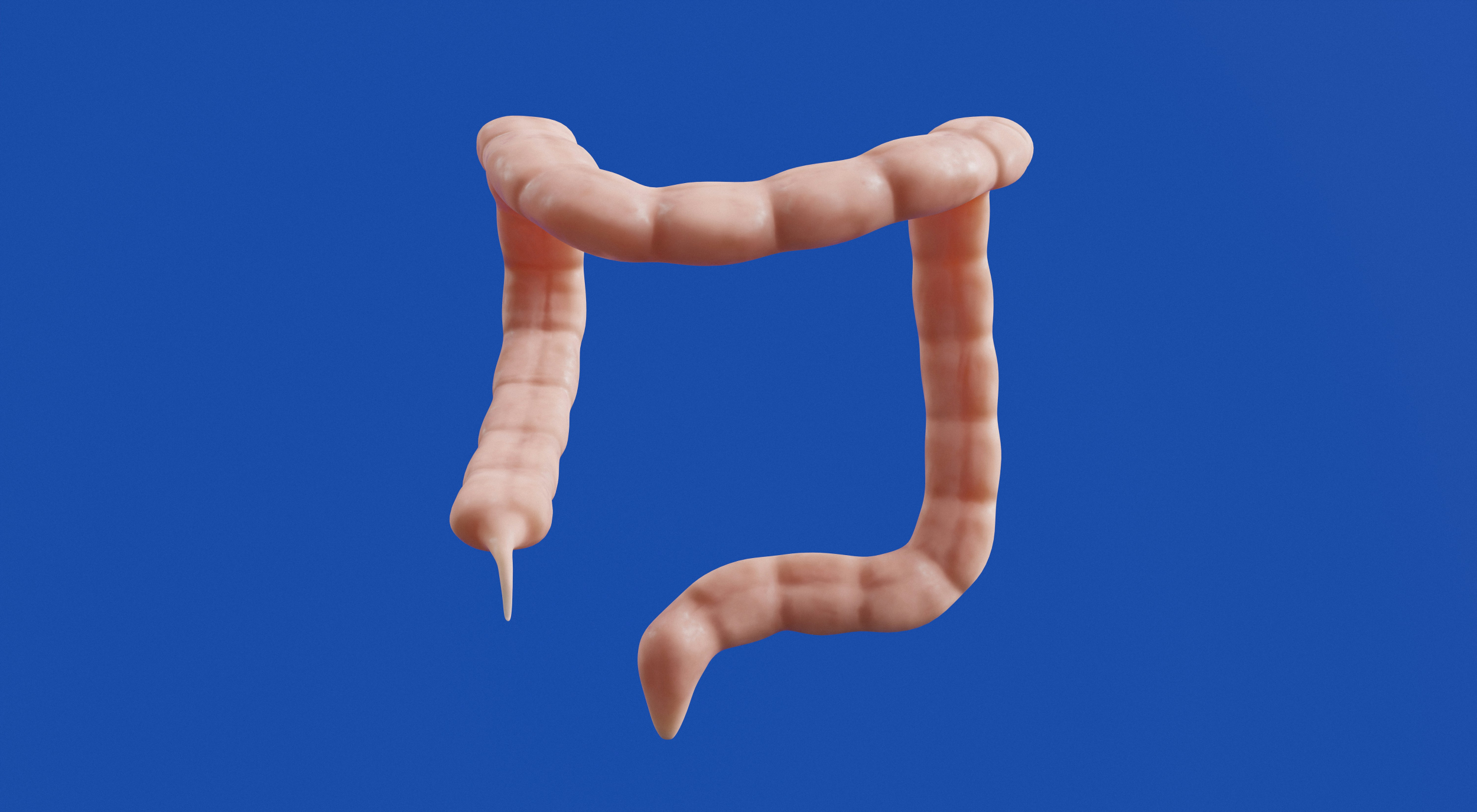
Adequate water intake aids digestion by helping dissolve nutrients and fiber, preventing constipation, and promoting the smooth movement of food through the digestive tract. Staying hydrated promotes overall digestive health.