
















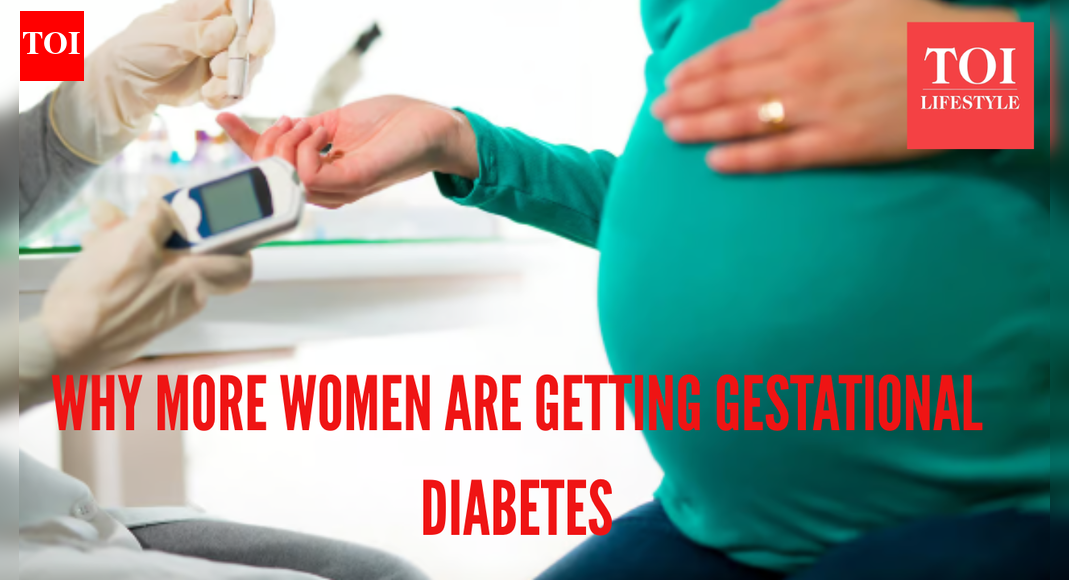
More and more pregnant women are developing gestational diabetes very early in pregnancy, even in the first trimester, and new studies show that this trend is increasing around the world, especially in South Asian women. Let’s dig deeper…What is early gestational diabetesGestational diabetes mellitus (GDM) begins as high blood sugar that first appears during pregnancy, before disappearing after childbirth. The medical condition known as early gestational diabetes (early GDM or eGDM) appears when doctors find high blood sugar levels during the first trimester of pregnancy, or before the 20th week of pregnancy, instead of the standard screening done between weeks 24 and 28. Doctors use blood tests such as an oral glucose tolerance test (OGTT) or HbA1c to diagnose it.New evidence: it starts in the first trimesterResearch conducted in several countries has shown that GDM begins its development process before the standard pregnancy period of 16 weeks. The STRiDE study, which followed more than 3,000 women in India, the United Kingdom and Kenya, reported early GDM in about one in five women, slightly higher than GDM diagnosed later in pregnancy. News reports summarizing these findings suggest that, taken together, the new Indian data show that about one in four pregnant women may have early GDM, with South Asian women at particularly high risk.Growing numbers around the worldSeveral countries in different geographic regions are now experiencing increasing numbers of new cases. The Louisiana Medicaid Pregnancy Study showed that the prevalence of GDM increased from 10% in 2016 to 15% in 2020, before remaining at this level throughout 2021. The Mexican national study showed that cases of GDM increased continuously from 2008 to 2023 among adolescent and adult populations, while demonstrating that adolescent women experience this condition. Research conducted in hospitals over the past few years shows that GDM occurs in more than 20% of pregnant women, indicating that at least 20% of pregnant women in these facilities will develop the condition.
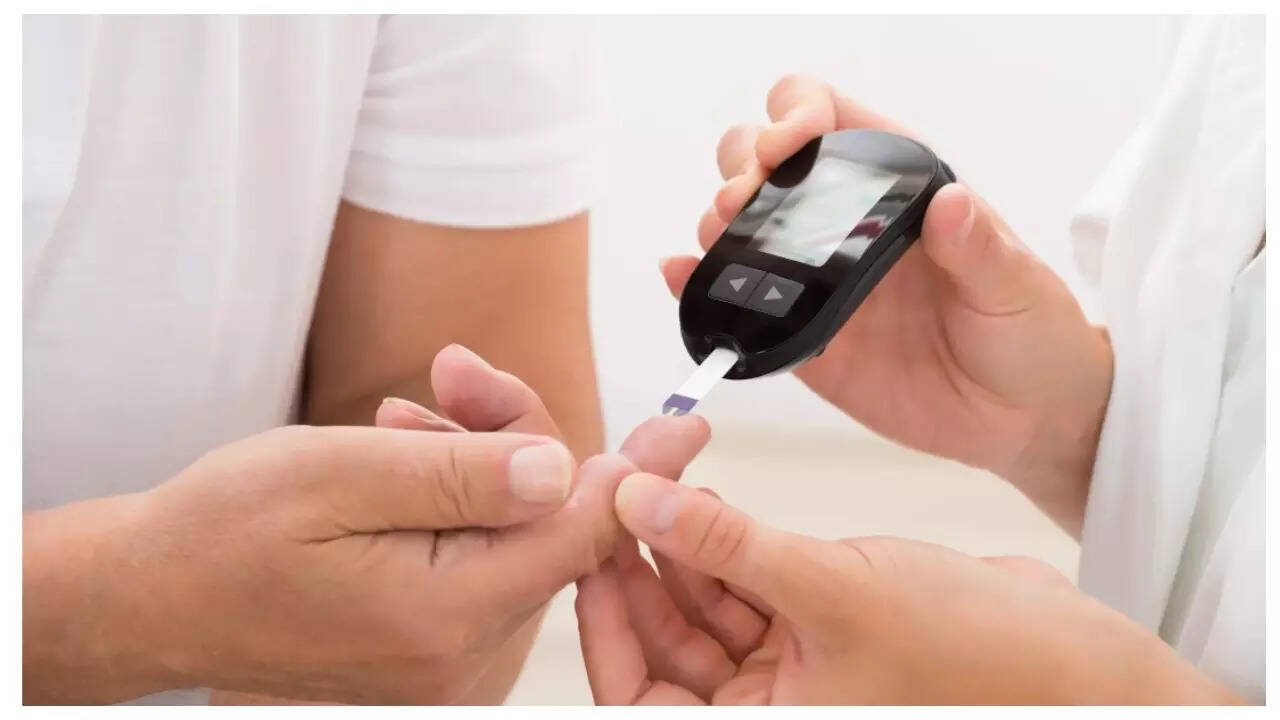
Why are cases increasing at an earlier stage?The researchers point to several reasons for this early and increasing pattern. The number of women who begin their pregnancy overweight, obese or prediabetes, without a medical diagnosis, has increased, which leads to an earlier development of high blood sugar levels during pregnancy. Risk factors for developing type 2 diabetes include women who become pregnant at an older age and those who had gestational diabetes during pregnancy and people who have type 2 diabetes in their family history. These risk factors have become more prevalent in various communities around the world. South Asian women develop GDM at an early stage because their genetic predisposition interacts with their urban lifestyle and reduced physical movement.Health risks for mother and babyControlling blood sugar levels in GDM becomes essential, because uncontrolled blood sugar levels during pregnancy can lead to various complications, including high blood pressure and preeclampsia, and the need for cesarean delivery and the birth of large babies. Studies on early detection of GDM in pregnant women showed that women who receive their first diagnosis develop more serious metabolic problems, which increase their chances of developing preeclampsia and other pregnancy complications, than women who receive their diagnosis later. The birth of babies to mothers who have not adequately controlled their GDM causes newborns to experience hypoglycemia at birth and breathing problems and develop into future complications of obesity and diabetes.Why early diagnosis is importantEarly GDM symptoms that appear severe on diagnostic tests require immediate treatment to achieve better control of blood sugar levels and body weight and produce results similar to those of GDM treatment at a later stage. Initiating treatment early for women with elevated blood sugar levels before their regular testing appointment produced small but important benefits that improved the health of the newborn by reducing their need for respiratory support. Research results indicate that healthcare providers should begin detecting and treating high blood sugar levels at the time of diagnosis, because delaying treatment until mid-pregnancy is not beneficial.How women can protect themselvesWomen who want to get pregnant should achieve a healthy weight while staying active and eating a balanced diet that includes fiber, whole grains, vegetables, and healthy fats. Women with diabetes during pregnancy should visit their doctor regularly for prenatal care and have early glucose testing when doctors recommend it and should follow their doctor’s instructions about their diet, physical activity, and insulin treatment. Even after giving birth, women who have had GDM should have regular diabetes checks because they are more likely to develop type 2 diabetes later.

Disclaimer: This article is for informational purposes only and is not a substitute for medical advice.