
















A discovery by Australian researchers could lead to better treatment for children with neuroblastoma, a cancer that currently affects 9 in 10 young patients who experience recurrence. The team at the Garvan Institute of Medical Research in Sydney, Australia, found a combination of drugs that can prevent the cellular defenses that these tumors develop and lead to relapse.
In findings in animal models published today in Science Advances, Associate Professor David Croucher and his team have shown that a drug already approved for other cancers can trigger the death of neuroblastoma cells through alternative pathways when the usual pathways are blocked. This discovery could lead to better treatment strategies for children whose cancers have stopped responding to standard chemotherapy.
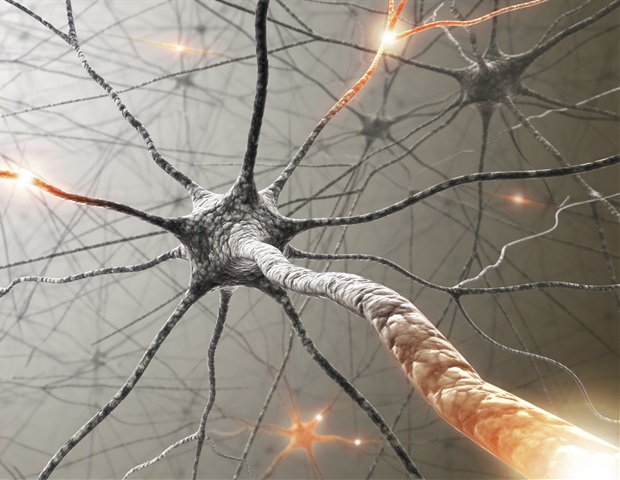
Neuroblastoma is the most common solid tumor in children outside the brain and develops from nerve cells in the adrenal glands above the kidneys or along the spine, chest, abdomen or pelvis. It is generally diagnosed in children under two years of age. While those with low-risk disease have excellent outcomes, about half of patients are diagnosed with high-risk neuroblastoma, an aggressive form in which the tumors have already spread. Of these high-risk patients, 15 percent do not respond to initial treatment, and half of those who do respond will see their cancer return.
Why do treatments stop working?
Researchers first investigated why neuroblastoma becomes resistant to treatment. They studied neuroblastoma cells grown in the laboratory and compared tumor samples from the same children at the time of diagnosis and after the cancer came back. This allowed them to track the changes that occur as the cancer develops resistance.
They found that many standard chemotherapy drugs rely on the same cellular “switch,” called the JNK pathway, to trigger cancer cell death. In recurrent tumors, this switch often stops working, meaning treatments are no longer effective.
Finding a way to overcome the resistance state of high-risk recurrent neuroblastomas has been an important goal of my laboratory. These tumors can be very resistant to chemotherapy, and the statistics once patients reach that point are devastating for families. “By finding drugs that do not depend on the JNK pathway, we can still trigger cancer cell death even when this usual pathway is blocked.”
Associate Professor David Croucher, Garvan Institute of Medical Research
A promising drug emerges
Looking for treatments that do not rely on this cellular switch to induce cell death, the team examined a large collection of FDA-approved drugs with pediatric safety data, with the goal of finding those that could be quickly adopted for clinical use. They identified romidepsin, a drug currently used to treat certain lymphomas, as particularly potent against neuroblastoma cells, regardless of whether the JNK pathway is working or not.
Through collaboration with the Children’s Cancer Institute, the team used animal models of relapsed neuroblastoma to test whether adding romidepsin to standard chemotherapy could overcome resistance.
In their models, they found that the new combination reduced tumor growth and prolonged survival time compared to standard treatment alone, indicating lower resistance to the treatment. Furthermore, in combination with romidepsin, lower doses of standard chemotherapy achieved the same anticancer effect as higher doses of chemotherapy alone. This raises the possibility of reducing side effects in future treatments, an important consideration when treating young children.
Next steps: towards clinical application
While the laboratory results are encouraging, Associate Professor Croucher says more research is needed before these findings can be translated into patient care. His team is now focused on optimizing combination treatment programs and delivery methods for safety and efficacy.
“This represents a big step forward, but the next challenge will be working to bring these findings to the clinic,” says Associate Professor Croucher. “We are using this data as proof of principle to develop the best ways to deliver these treatments.”
Romidepsin is already approved for use in other cancers and has been tested for safety in children, which could accelerate the development of the drug as a new treatment option for neuroblastoma. However, any clinical application requires further testing and clinical trials to establish the safety and efficacy of the combination in neuroblastoma.
“Behind every statistic is someone’s loved one,” says Associate Professor Croucher. “Understanding these molecular mechanisms gives us hope that we can develop more effective treatments for patients and their families who currently face limited options, and that is what drives us every day.”
Fountain:
Garvan Institute of Medical Research
Magazine reference:
Han, JZR et al. (2025). Inclusion of JNK-independent drugs within multiagent chemotherapy improves response in recurrent high-risk neuroblastoma. Scientific advances. doi: 10.1126/sciadv.ady5599. https://www.science.org/doi/10.1126/sciadv.ady5599