




















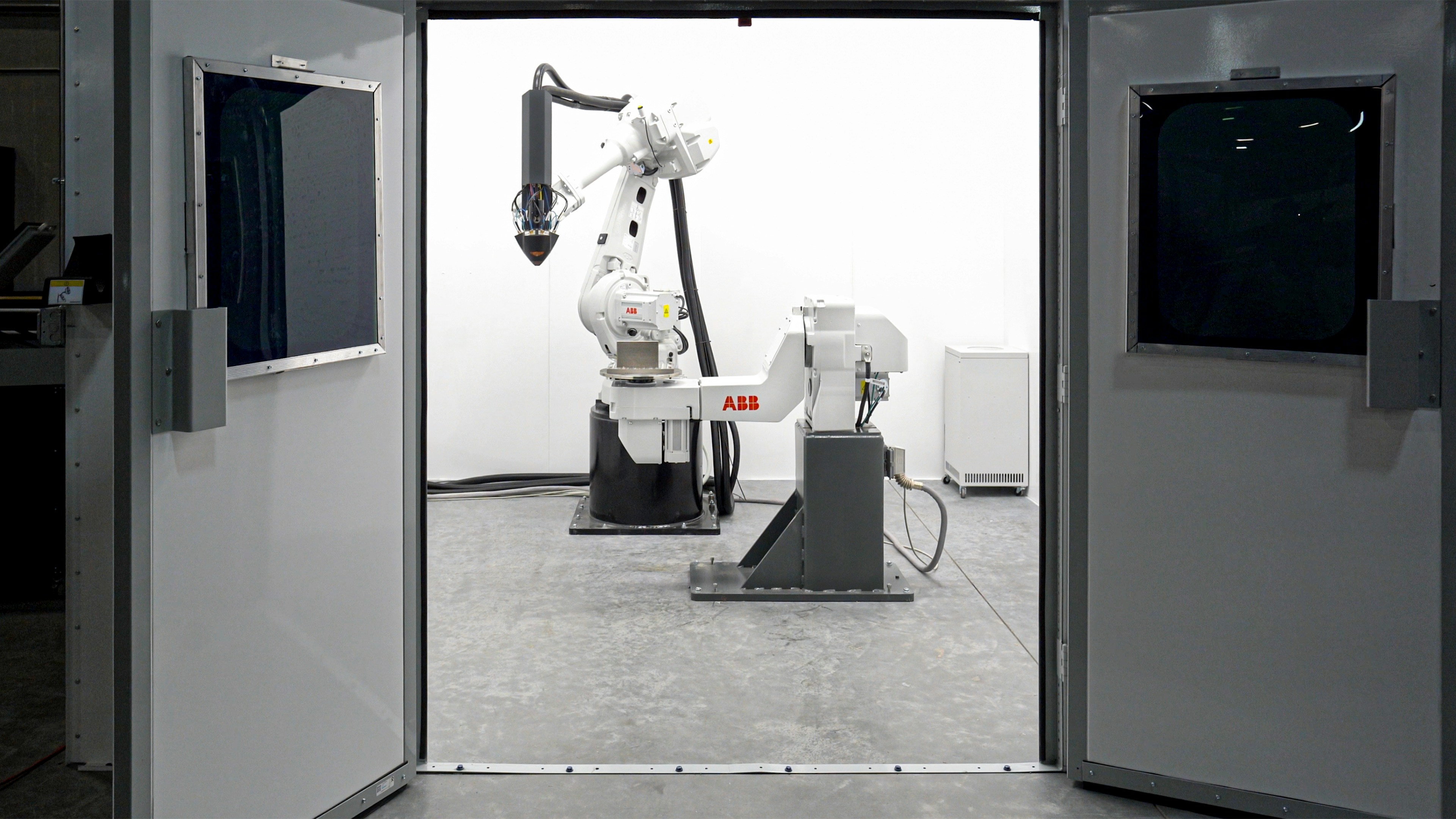
service robots They combine sensors, artificial intelligence and autonomous movement to assist people in structured real-world environments. Unlike industrial robots confined to factories, these systems operate around patients, shoppers and guests. Robotics in healthcare uses these capabilities to move supplies, disinfect spaces, and monitor patients with precision and speed.
Retail and hospitality environments benefit similarly. Service robots replenish shelves, guide customers, deliver items, and clean facilities during active hours. As costs decrease and reliability improves, service robots are becoming practical tools rather than experimental technologies.
What are service robots in the healthcare sector?
Service robots in the healthcare sector. focus on reducing physical workload while improving safety and consistency. Autonomous mobile robots transport linens, medications, meals and medical supplies across hospital floors, reducing the time nurses spend walking long distances. This allows healthcare staff to focus more on direct patient care rather than logistics.
Disinfection robots play a vital role in infection control. Service robots with UV light can disinfect patient rooms, operating rooms and hallways in minutes, reducing the spread of hospital-acquired infections. These systems are especially valuable during outbreaks, when speed and consistency are critical.
Patient-centered service robots also support follow-up and recovery. Some track vital signs remotely, alerting staff when irregularities occur, while rehabilitation robots help patients with guided exercises. In senior care facilities, healthcare robotics include reminder systems, fall detection, and mobility support that improve independence without replacing caregivers.
How do service robots work in retail?
Service robots in retail primarily function as tracking and support tools. Autonomous shelf-scanning robots patrol the aisles, using cameras and sensors to detect low stock, mispricing, and missing items. This allows staff to address issues more quickly and maintain consistent product availability.
Customer service robots help shoppers by providing directions, answering questions, and locating products. These systems use touch screens or voice interaction, reducing wait times during busy periods. Retailers benefit from better customer flow and less pressure on employees.
Cleaning and security functions also rely on service robots in retail. Floor cleaning robots operate during store hours without interruption, while patrol robots help deter theft and collect behavioral data. Over time, this information supports better store layouts and smarter replenishment strategies.
What are examples of service robots in hospitality?
Service robots in hospitality focus on guest comfort and operational efficiency. Hotels deploy robots for room service delivery, transporting towels, toiletries and meals directly to rooms. These robots navigate elevators, call rooms upon arrival, and autonomously return to charging stations.
Front desk robots take care of check-ins, provide instructions, and answer common questions in multiple languages. This improves accessibility for international guests while reducing congestion at the front desk. Restaurants are also adopting service robots to deliver food, clean tables, and help with order management during peak hours.
Behind the scenes, cleaning and security robots operate at night or during low traffic periods. Floor cleaning robots prepare lobbies and hallways, while patrol units monitor entrances and common areas. For many hotels, service robots in the hospitality sector help maintain consistent service quality during staff shortages.
Benefits of service robots for companies and workers
Service Robot Benefits go beyond simple automation. They improve efficiency, reduce errors and enable continuous operation in businesses and workplaces. Workers and customers also experience significant improvements in safety, comfort and quality of service.
Operational efficiency for businesses Robots perform tasks consistently without fatigue, reducing errors and improving coverage. Cleaning, delivery and tracking can be done 24 hours a day. Predictable execution supports smoother workflows and lower operating costs. Reduced physical strain for employees Service robots handle repetitive or heavy tasks, reducing fatigue and the risk of injury. Employees spend more time communicating, decision-making, and problem-solving. Routine tasks no longer dominate workers’ schedules, improving job satisfaction. Improved customer and patient experience Faster deliveries and cleaner environments increase satisfaction. Reliable support and consistent service improve trust. The benefits of service robots enhance human functions rather than replacing them.
Future trends for service robots across industries
The future of service robots places an emphasis on intelligence, connectivity and teamwork with humans. Advances in artificial intelligence, battery life, and network integration will make robots more adaptable and efficient. Industries will increasingly rely on human-robot collaboration to improve service quality and accessibility.
AI-powered adaptability Robots learn from repeated interactions, improving navigation and task efficiency. Improved perception helps them operate safely in dynamic or crowded spaces. Continuous improvement allows robots to handle more complex scenarios over time. Real-time connectivity and coordination Faster networks allow robots to coordinate fleets in large facilities. Hospitals, shopping malls and resorts benefit from synchronized task management. Improved connectivity reduces downtime and streamlines maintenance. Human-robot collaboration Robots take on predictable, repetitive tasks, while humans handle judgment and social interactions. Teamwork guarantees greater efficiency and better service results. Decreasing costs expand access, allowing for broader adoption across industries.
A practical future shaped by service robots
Service robots are no longer limited to experimental pilots or specific applications. Its growing presence in the healthcare, retail and hospitality sectors reflects practical needs rather than futuristic ambitions. By handling repetitive and time-consuming tasks, these systems help organizations maintain service quality under pressure.
As robotics in the healthcare and service industries continue to evolve, the focus remains on support rather than replacement. When combined with trained human workers, service robots create safer environments, smoother operations, and more reliable experiences that fit naturally into everyday life.
Frequently asked questions
1. What is the main purpose of service robots?
Service robots are designed to assist humans by performing repetitive, time-consuming or physically demanding tasks. They improve efficiency while maintaining constant performance. Most operate in environments where people are present. Its function is support rather than total automation.
2. Is it safe to use service robots around people?
Yes, modern service robots are built with sensors to detect obstacles and avoid collisions. They move at controlled speeds and follow safety protocols. Continuous updates improve its reliability. Human supervision is still part of most deployments.
3. Do service robots replace human jobs?
Service robots often complement human workers rather than replacing them. They reduce workload stress and handle routine tasks. This allows people to focus on complex, interpersonal responsibilities. Many roles evolve rather than disappear.
4. Which industry benefits the most from service robots?
Robotics in healthcare shows great benefits due to safety, efficiency and work demands. However, retail and hospitality also see clear improvements. The impact depends on the repetition of tasks and the volume of service. Each industry adapts service robots differently.