




















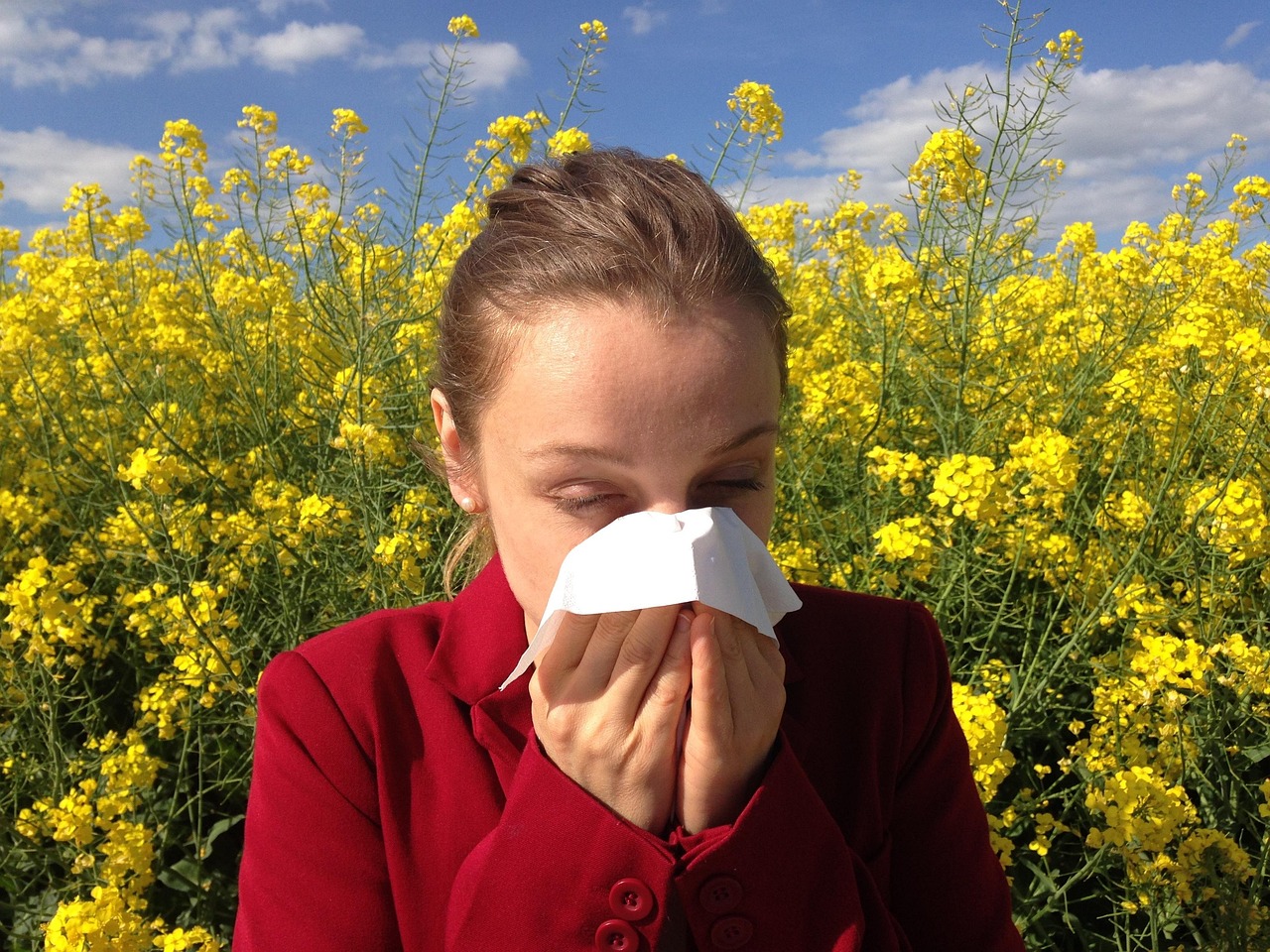
Seasonal allergies, also known as hay fever, affect millions of people around the world and seem to get worse each year. This trend raises important questions about why symptoms such as sneezing, itchy eyes, runny nose, and congestion are becoming more intense and long-lasting. Recent scientific findings point to important climate allergy changes as an important factor contributing to this increase in severity and duration.
What are the symptoms of seasonal allergies and hay fever?
Seasonal allergies, or allergic rhinitis, occur when the immune system overreacts to airborne allergens, primarily pollen from trees, grasses, and weeds. When pollen enters the body, the immune system mistakenly identifies these typically harmless particles as threats, triggering the release of histamines and other chemicals.
This immune response produces common hay fever symptoms, including sneezing, a stuffy or runny nose, itchy and watery eyes, and an itchy nose or throat. Symptoms tend to fluctuate seasonally depending on the type of pollen present in the environment, commonly in spring, summer and early fall. In addition to pollen, mold spores and indoor allergens, such as pet dander and dust mites, can also contribute to hay fever symptoms year-round.
Why do seasonal allergies seem to get worse?
An outstanding reason seasonal allergies What seems to get worse each year is the lengthening of pollen seasons. Warmer temperatures caused by climate change allow plants to begin flowering earlier in the year and extend their growing seasons, prolonging the presence of pollen in the air. Additionally, elevated levels of carbon dioxide, a key driver of climate change, stimulate plants to produce more pollen overall, increasing exposure to allergens.
Research has shown that air pollution interacts with pollen particles, making them more allergenic and aggravating hay fever symptoms. These pollutants can also damage the lining of the airways, increasing sensitivity to airborne allergens. As a result, allergic people experience a higher pollen load and more severe hay fever symptoms.
How is climate change affecting seasonal allergies?
Climate changes in allergies profoundly affect the duration, intensity, and geographic extent of seasonal allergies. As global temperatures rise, plants such as ragweed and various trees begin releasing pollen early in the year and continue for longer periods, according to the National Institutes of Health. This creates longer allergy seasons where sufferers are exposed for prolonged periods. Additionally, higher humidity and more humid conditions can promote the growth of mold spores, another source of allergens, causing an increase in allergic reactions.
Urbanization trends often introduce highly allergenic plants into urban landscapes, increasing localized exposure to pollen. Additionally, the combined effects of allergens and air pollutants exacerbate immune responses, increasing the frequency and severity of illness. hay fever symptoms in affected individuals.
What can be done to control worsening seasonal allergies?
Managing seasonal allergies amid worsening environmental conditions involves proactive strategies to reduce exposure to allergens and treat symptoms effectively. People can monitor local pollen forecasts and limit outdoor activities during peak pollen hours, especially on windy days when pollen dispersal is greatest. Keeping windows closed, using air purifiers, and showering after outdoor exposure helps minimize contact with pollen indoors.
Over-the-counter antihistamines, nasal sprays, and decongestants remain first-line treatments for managing hay fever symptoms. Allergy-specific immunotherapy, administered by allergists, can provide long-term relief by training the immune system to better tolerate allergens. Staying informed and consulting healthcare providers about evolving treatment options is crucial as climate changes in allergies continue to impact seasonal allergy patterns.
Seasonal allergies and hay fever symptoms worsen each year primarily due to allergy climate changes that affect pollen production, allergen potency, and lengthening allergy seasons. Rising temperatures and higher levels of carbon dioxide encourage plants to flower earlier and produce more pollen, while air pollution worsens allergic reactions.
Understanding these environmental influences helps allergic people prepare for and better manage their symptoms with appropriate lifestyle adjustments and medical treatments, according to the Centers for Disease Control and Prevention. Awareness and adaptation strategies remain essential as these allergy-causing climate trends continue to evolve.
Frequently asked questions
1. How many people suffer from seasonal allergies around the world?
Approximately 10% to 30% of the world’s population experiences seasonal allergies, with higher rates in industrialized countries due to urbanization and exposure to pollution. In the United States alone, nearly 1 in 4 children and 1 in 3 adults report symptoms, contributing to widespread public health problems.
2. What is the economic cost of seasonal allergies?
Seasonal allergies impose significant economic burdens, with direct medical costs in the U.S. estimated at $3.4 billion annually for treatments alone, plus billions more in lost productivity due to absenteeism and presenteeism. Globally, similar patterns in countries like Australia and parts of Asia add up to tens of billions in health care and workforce impacts each year.
3. Can seasonal allergies cause other health problems?
Untreated seasonal allergies often exacerbate conditions such as asthma, sinus infections, and ear problems by causing chronic inflammation in the airways and nasal passages. Prolonged exposure to worsening pollen loads due to climate changes in allergies increases these risks, which could lead to more serious respiratory problems over time.
4. Are there regional differences in the severity of seasonal allergies?
Allergy severity varies by region due to local flora, weather patterns, and urbanization; For example, urban areas with ragweed-filled yards see intensified hay fever symptoms compared to rural areas. Allergic climate changes amplify these differences, with northern latitudes experiencing newly extended pollen seasons.