











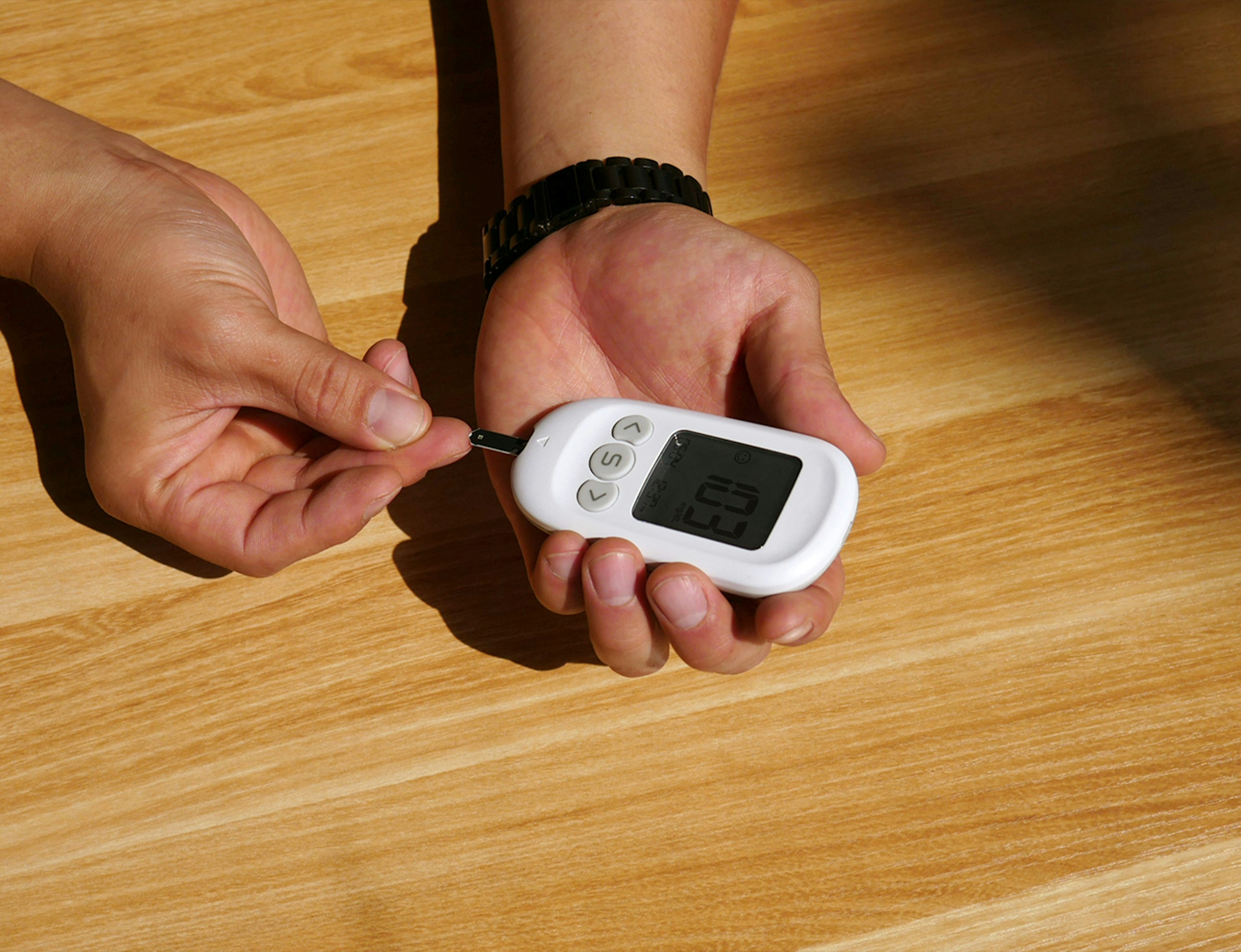
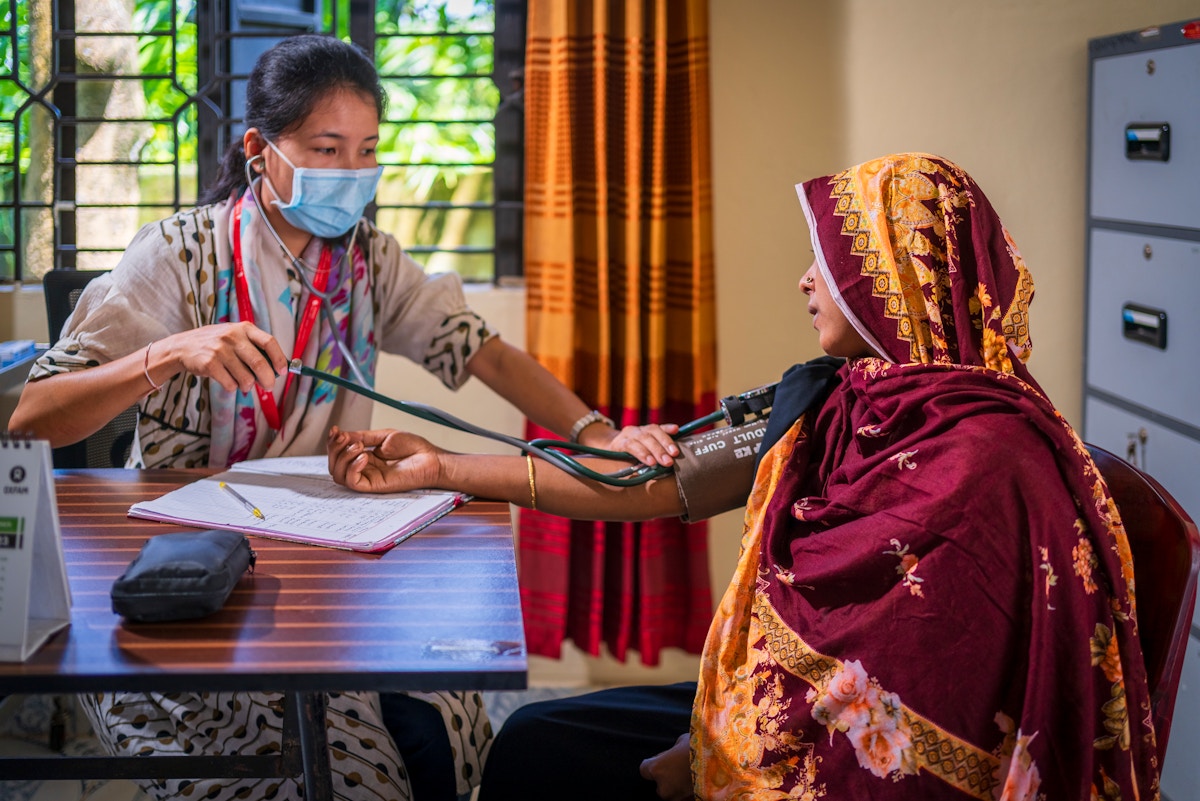





The first signs of diabetes usually appear long before diagnosis and have their origin in the classic blood sugar symptoms such as intense thirst and frequent urination. Elevated glucose draws fluid from the tissues, causing polydipsia and polyuria that can exceed 3 liters of urine per day as the kidneys struggle to reabsorb excess sugar. These metabolic disturbances can leave cells starved of energy, causing unexplained fatigue even when blood sugar levels are dangerously high, and contributing to nerve irritation or tingling in the extremities due to microvascular damage. Understanding these early warning signs is essential for early detection and treatment to prevent long-term complications such as vision loss, kidney disease, and neuropathy.
Early recognition of patterns such as nocturia, blurred vision, persistent thirst, and unexplained weight changes can dramatically improve outcomes. Regular checkups and tracking symptom clusters indicate when medical evaluation and lifestyle changes are needed. Education about the early signs of diabetes increases the likelihood of early detection and intervention, preserving health and reducing disease progression. Awareness can lead to timely A1C screening and lifestyle adjustments that significantly mitigate the risks associated with chronic hyperglycemia.
Thirst and urination patterns
Frequent urination and excessive thirst are characteristic symptoms of high blood sugar in diabetes and prediabetes, especially when glucose levels rise above the kidney threshold. High sugar levels cause the kidneys to filter more glucose, dragging water with it and causing an increase in urine production, especially noticeable at night. According to the Mayo ClinicSymptoms of diabetes include increased thirst and frequent urination as blood sugar rises and the body attempts to eliminate excess glucose, making these two among the first recognizable signs.
Polydipsia and polyuria: The kidneys work overtime to filter excess glucose, causing frequent urination and incessant thirst. Nocturia: Repeated trips to the bathroom during the night disrupt sleep and can simulate dehydration or bladder problems. Concentrated urine and headaches: Fluid loss concentrates urine and can cause daily hangover-like headaches. Recurrent infections: Glycosuria feeds fungi and bacteria, increasing yeast infections in women and balanitis in men. Kidney stress: Constant leakage can lead to long-term kidney irritation and an increased risk of kidney complications.
Fatigue and vision changes
Fatigue and vision changes are key early signs of diabetes that often lead people to seek medical attention. When glucose cannot enter cells efficiently, the body lacks a reliable energy source, resulting in persistent tiredness regardless of rest. According to a symptom checklist by health professionals, frequent fatigue along with blurred vision are common markers of elevated blood sugar levels that should prompt screening and evaluation.
Blurred vision: High blood sugar draws fluid into the lens of the eye, temporarily distorting vision and changing refractive power. Slow Healing: Impaired circulation and immune response significantly delay wound healing. Peripheral neuropathy: Tingling, burning, or numbness often starts in the toes and progresses upward as nerve damage worsens. Autonomic effects: Digestive symptoms such as gastroparesis may develop, causing delayed emptying of the stomach after meals. Energy drop: Glucose-deprived cells trigger chronic fatigue, even after adequate sleep.
Cutaneous and oral indicators
Changes in oral and skin health often indicate a metabolic imbalance before a formal diagnosis of diabetes. Dark spots, known as acanthosis nigricans, commonly appear in skin folds and are associated with insulin resistance long before blood sugar elevations become clinically evident. According to the MSD Manual Professional EditionDermatological signs such as acanthosis nigricans reflect insulin resistance and are among the observable symptoms in type 2 diabetes, making skin changes a valuable early signal for detection.
Acanthosis nigricans: Dark, velvety skin on the neck or armpits suggests insulin resistance. Gum inflammation: Bleeding gums and periodontitis are linked to poor glucose control and immune dysfunction. Boils and carbuncles: Repeated skin infections indicate deterioration of immunity. Digital sclerosis: Stiffening of the finger joints and limited mobility reflect chronic glycemic stress. Fungal infections: Candida-related symptoms often increase with sustained high blood sugar levels.
Weight Fluctuations Explained
Unintentional weight changes are among the first critical signs of diabetes that can be subtle but significant. Even with a normal or increased appetite, people with high blood sugar levels may experience unexplained weight loss as the body does not use glucose and instead breaks down fat and muscle for energy. According to diabetes symptom checklists, weight loss, even in the context of increased hunger and food intake, is a classic symptom of significant hyperglycemia and often indicates metabolic dysregulation that requires urgent evaluation.
Unexplained weight loss: The body switches to catabolism when glucose does not enter the cells. Paradoxical hunger: despite eating, energy deficits cause increased appetite. Muscle loss: Protein breakdown is accelerated when glucose is not available as fuel. Rapid Fat Loss: Fat tissue is used for energy, contributing to overall weight loss. Metabolic imbalance: These fluctuations often precede more serious complications if left unchecked.
Conclusion
Awareness of the early signs of diabetes, such as frequent urination, intense thirst, unexplained fatigue, skin changes, and vision fluctuations, is vital for early detection and intervention. Since many of these blood sugar symptoms begin gradually, they can easily be attributed to lifestyle factors or stress, delaying diagnosis and increasing the risk of complications. When clusters of symptoms persist for weeks, screening with blood glucose and hemoglobin A1C testing becomes essential to confirm or rule out diabetes. Early action not only improves quality of life, but can also prevent progression to serious health outcomes such as neuropathy, retinopathy, and cardiovascular disease.
Early recognition opens a window for effective lifestyle intervention, which has been shown to reverse prediabetes and reduce progression to type 2 diabetes. Monitoring blood sugar progress, combined with diet, exercise, and medical guidance, allows many people to maintain normal glucose levels and reduce lifelong complications. By focusing on prevention and early detection through awareness and detection of symptoms, people can take control of their health and reduce the burden of diabetes on families and healthcare systems.
Frequently asked questions
1. Are the first signs of diabetes the most common?
The most common early signs of diabetes are excessive thirst, frequent urination, and persistent fatigue that do not go away with normal rest. These symptoms occur because high glucose draws water from the tissues and overwhelms kidney filtration. These basic signs are often accompanied by blurred vision and slow-healing wounds. When grouped together, medical evaluation helps confirm elevated blood sugar.
2. Are blood sugar symptoms reversible?
Some blood sugar symptoms associated with prediabetes can be reversed through lifestyle changes. Improvements in diet and regular exercise improve insulin sensitivity and reduce glucose spikes. Early intervention often prevents progression to type 2 diabetes. Reversibility decreases once persistent hyperglycemia causes organ damage, so early action is crucial.
3. Speed of appearance of type 1 versus type 2?
The onset of type 1 diabetes is rapid, often developing over weeks or even days due to autoimmune destruction of insulin-producing cells. Type 2 diabetes usually develops slowly over years as cells become increasingly resistant to insulin. Many people can have hyperglycemia without noticeable symptoms for a long time. Regular screening helps detect type 2 before advanced complications arise.
4. A1C diagnostic threshold?
Blood tests such as the A1C are used to diagnose diabetes and prediabetes. An A1C of 6.5% or higher on two tests confirms diabetes. A1C levels between 5.7% and 6.4% identify prediabetes, which indicates an elevated blood sugar risk. Monitoring A1C helps track long-term glucose control and evaluate treatment effectiveness.