















In Asia’s most climate-vulnerable countries, global warming is also threatening people’s sexual and reproductive health, studies show, with fires, floods and pollution posing additional dangers for the most vulnerable.
Experts say that in addition to devastating the natural environment, extreme weather can also endanger the health of pregnant women, teenagers, newborns and LGBTQ+ people.
However, the World Health Organization says the needs of people facing climate-related health hazards are often neglected, citing extensive research in the Journal of Global Health.
Last month, experts at an International Conference on Family Planning pointed out the growing correlation between rising heat and poor outcomes for women and babies, and called for greater funding for sexual and reproductive health to bolster resilience.
So what are the health impacts of climate change and how can the world address them?
“
This is an excellent opportunity for the climate sector and the global sexual and reproductive health and rights community to come together.
Nabeeha Kazi Hutchins, Director of Population Action International
What is the impact on maternal health, minorities and babies?
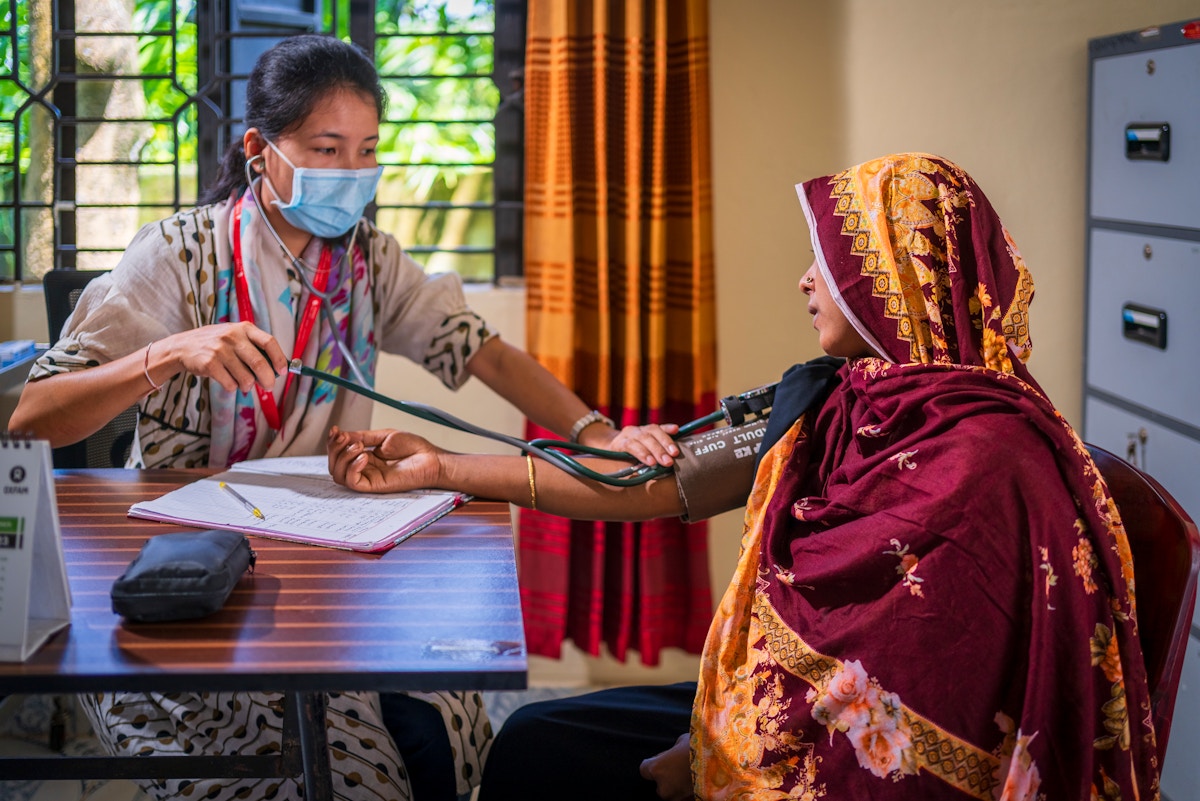
Extreme weather conditions make it difficult for women and girls to access contraceptives, maternal care and a safe place to give birth. It also reduces the support available to vulnerable people facing discrimination or gender-based violence.
This year saw record heat waves, crop failures and typhoons across Asia, which researchers in turn linked to an increase in premature births, stillbirths and maternal complications.
Climate Central, an independent group of climate scientists and communicators, studied temperatures between 2020 and 2024 and found that nearly one in three countries had experienced at least one more month of intense heat, a level that poses risks to pregnancy.
Typhoons and floods can also have practical implications, affecting people’s access to health facilities and reducing the quality of care they receive, according to the study.