







Cedars-Sinai researchers have discovered a healing mechanism that could one day be used to treat patients with spinal cord injuries, stroke, multiple sclerosis and other neurological diseases. Their study, published in the journal Nature, describes a previously unknown function of astrocytes, a type of cell in the central nervous system.
Astrocytes are important responders to diseases and disorders of the central nervous system, that is, the brain and spinal cord. We found that astrocytes far from the injury site actually promote spinal cord repair. Our research also revealed the mechanisms these unique astrocytes use to signal the immune system to clear debris caused by injury. This is an important step in the tissue healing process. ”
Dr. Joshua Burda, neuroscientist, assistant professor of biomedical sciences and neurology at Cedars-Sinai, and senior author of the study
The researchers termed these astrocytes “lesional distant astrocytes” (LRA) and identified several different LRA subtypes. Their study described for the first time how one LRA subtype remotely senses and responds to tissue damage.
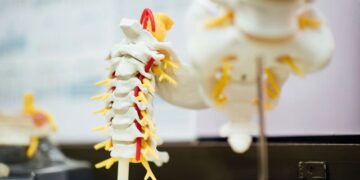
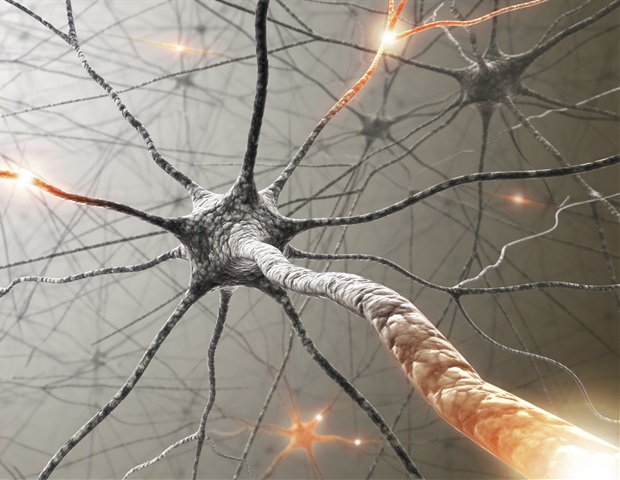
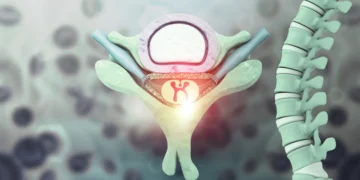
The spinal cord is a bundle of nerve tissue that runs from the brain to the back. At its center is the gray matter, which contains the bodies of nerve cells and supporting cells called astrocytes. Surrounding it is white matter, which is made up of astrocytes and long nerve fibers that run up and down the umbilical cord and send signals between the brain and the rest of the body. Astrocytes help keep the nervous system healthy and keep these signals flowing smoothly.
Spinal cord injuries damage nerve fibers, paralyze parts of the body, and disrupt sensory input such as touch and temperature. The cut fibers disappear and become fragments. In most other types of tissue in the body, inflammation occurs only at the site of injury. However, because the nerve fibers in the spinal cord are long, damage and inflammation can extend far beyond the injury site.
When researchers studied laboratory mice with spinal cord injuries, they found that LRA plays an important role in supporting nervous system repair. They identified strong evidence for the same mechanism in tissue samples from human patients with spinal cord injuries.
The Burda Lab has identified one LRA subtype that pumps out a protein called CCN1 to signal immune cells called microglia.
“One of the functions of microglia is to serve as the central nervous system’s primary garbage collectors,” Burda said. “When the tissue is damaged, it eats up pieces of nerve fibers, which are very fatty and can cause a type of indigestion. Our experiments showed that astrocytes CCN1 signal microglia to change their metabolism so they can digest all the fat.”
Burda said this efficient debris removal may play a role in the spontaneous recovery seen in many spinal cord injury patients. In the absence of astrocyte-derived CCN1 protein, the researchers found that recovery was significantly impaired.
“If you remove the astrocyte CCN1, the microglia will eat, but they won’t digest it. The microglia will attract more microglia, but they can also eat it, but they won’t digest it,” Professor Burda said. “Large clusters of microglia filled with debris form, increasing inflammation up and down the spinal cord. And when that happens, the tissue doesn’t repair well.”
When researchers examined spinal cord tissue from human patients with multiple sclerosis, they found the same mechanism was at work, Burda said. He added that these basic principles of tissue repair likely apply to all types of injuries to the brain and spinal cord.
“The role of astrocytes in central nervous system healing is significantly understudied,” said Dr. David Underhill, chair of the School of Biomedical Sciences. “This study strongly suggests that astrocytes remote from the lesion provide a viable avenue to limit chronic inflammation, promote functionally meaningful regeneration, and promote neurological recovery after brain and spinal cord injury and during disease.”
Professor Barda is currently leading efforts to exploit this CCN1 mechanism in spinal cord healing and further investigate the role of astrocyte CCN1 in inflammatory neurodegenerative diseases and aging.
sauce:
Cedars-Sinai Medical Center
Reference magazines:
McCallum, S., et al. (2025) Astrocytes distant from the lesion govern microglia-mediated white matter repair. Nature. DOI: 10.1038/s41586-025-09887-y. https://www.nature.com/articles/s41586-025-09887-y