













Introduction
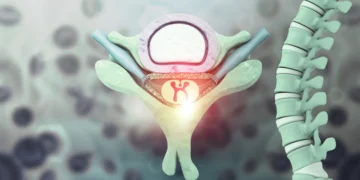
Spinal cord injuries (SCI) affect millions of people worldwide and often lead to permanent paralysis and loss of motor function. Traditional treatments focus on rehabilitation and symptom control, but finding a cure remains difficult. However, recent advances in CRISPR-Cas9 gene editing and other gene therapies are opening new doors for spinal cord repair. Could this revolutionary technology be the key to restoring function after injury?
Understanding CRISPR and gene editing
CRISPR (clustered regularly interspaced short palindromic repeats) is an innovative gene editing tool that allows scientists precisely modify DNA sequences. Using a guide RNA and the Cas9 enzyme, researchers can cutting, replacing or repairing defective genes with unprecedented precision.
Originally discovered as a bacterial immune defense mechanism, CRISPR has since been adapted for medical applications, including:
- Correction of genetic mutations. (eg, sickle cell anemia, cystic fibrosis)
- Improve immune responses (e.g., CAR-T cell therapy for cancer)
- Promoting tissue regeneration. (e.g. nerve repair)
The challenge of spinal cord repair
Unlike other fabrics, The central nervous system (CNS) has a limited regenerative capacity.. After a spinal cord injury:
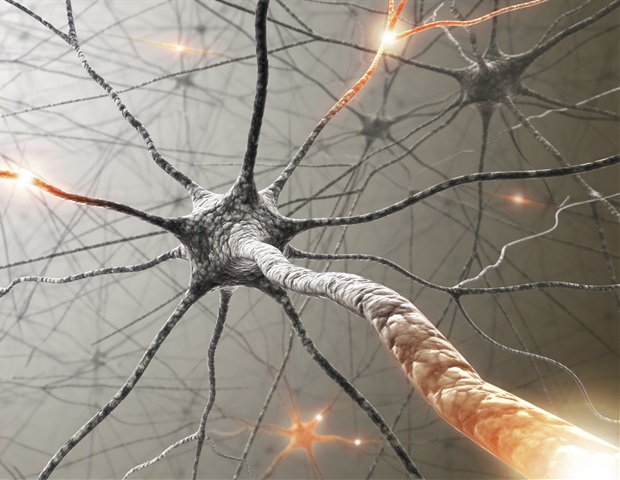
- neurons dieand scar tissue forms, blocking the transmission of nerve signals.
- Inflammation and inhibitory molecules. prevent regrowth.
- Axons (nerve fibers) do not reconnectcausing permanent disability.
Current experimental treatments include Stem cell therapy, nerve grafts and electrical stimulation.but none completely restores function. CRISPR offers a new approach to Targeting genetic and molecular barriers to regeneration..
How CRISPR Could Help Repair Spinal Cord Injuries
1. Gene editing to promote new nerve growth
Certain genes (e.g. PTEN, SOCS3) act as natural brakes on nerve regeneration. Studies show that silencing these genes with CRISPR can improve axon growth in animal models.
2. Reduce scars and inflammation
CRISPR could modify glial cells (support cells in the CNS) to reduce scar formation and create a more permissive environment for healing.
3. Correction of underlying genetic factors
Some people may have genetic predispositions that make recovery from SCI worse. CRISPR could correct these mutationsimproving results.
4. Combination of CRISPR with stem cell therapy
When editing stem cells for improve its regenerative propertiesscientists could create personalized cell transplants that rebuild damaged spinal tissue.
Current research and advances
- Study 2020 (Nature): Researchers used CRISPR to delete the PTEN gene in mice, leading to better axon growth after a spinal injury.
- Study 2023 (Cellular Reports): The successful scientists Inhibitory genes edited in human neurons.showing potential for clinical applications.
- Trials in progress: Early-stage studies are exploring the safety of CRISPR in neurological disorders, paving the way for SCI trials.
Ethical challenges and considerations
While promising, CRISPR faces obstacles:
- Off-target effects: Unintentional DNA edits could cause harmful mutations.
- Delivery methods: Getting CRISPR to spinal cord cells safely and efficiently remains a challenge.
- Long term effects: The durability of genetic edits in humans is still unknown.
- Ethical concerns: Germline editing (embryo alteration) sparks debates about genetic modification in humans.
The future of spinal cord repair
CRISPR is not a cure yet, but it represents a Paradigm shift in regenerative medicine.. Combined with stem cells, biomaterials and rehabilitation therapiesgene editing could one day restore movement and sensation to paralyzed patients.
Conclusion
CRISPR and gene editing remain tremendous potential for spinal cord repair, offering hope where traditional medicine has not been enough. While challenges remain, continued research could make Functional recovery after a spinal cord injury is a reality.. As science advances, we may be on the brink of a new era in neurological healing.
Would you like to delve into any specific aspects of CRISPR and spinal cord repair? Let me know how I can refine this even further!