












For decades, spinal cord injuries (SCI) have been considered irreversible and often leave patients with permanent paralysis. However, recent advances in neurostimulation technology are challenging this notion and offering new hope for people with severe spinal damage. Electrical implants, combined with intensive rehabilitation, now allow some SCI patients to stand, walk and even regain partial mobility, an advance that could redefine treatment for paralysis.
The science behind neurostimulation
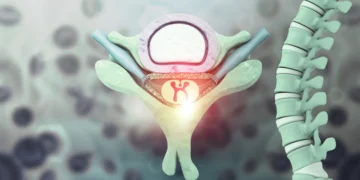
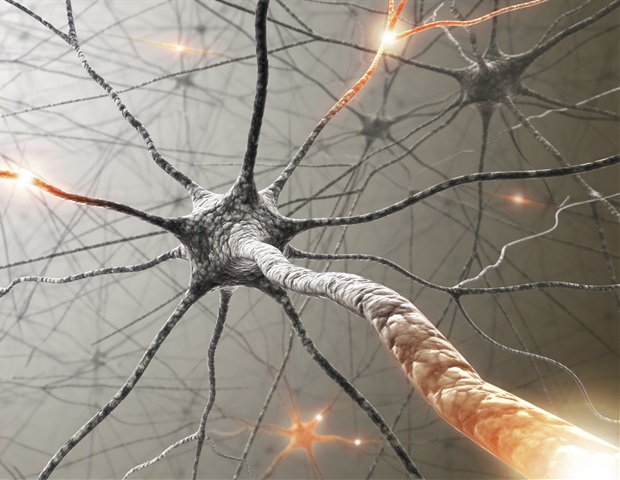
Neurostimulation involves sending specific electrical pulses to the spinal cord below the injury site. These pulses reactivate inactive neural circuits, effectively "bridge" the damaged area and restore communication between the brain and the legs.
Key techniques include:
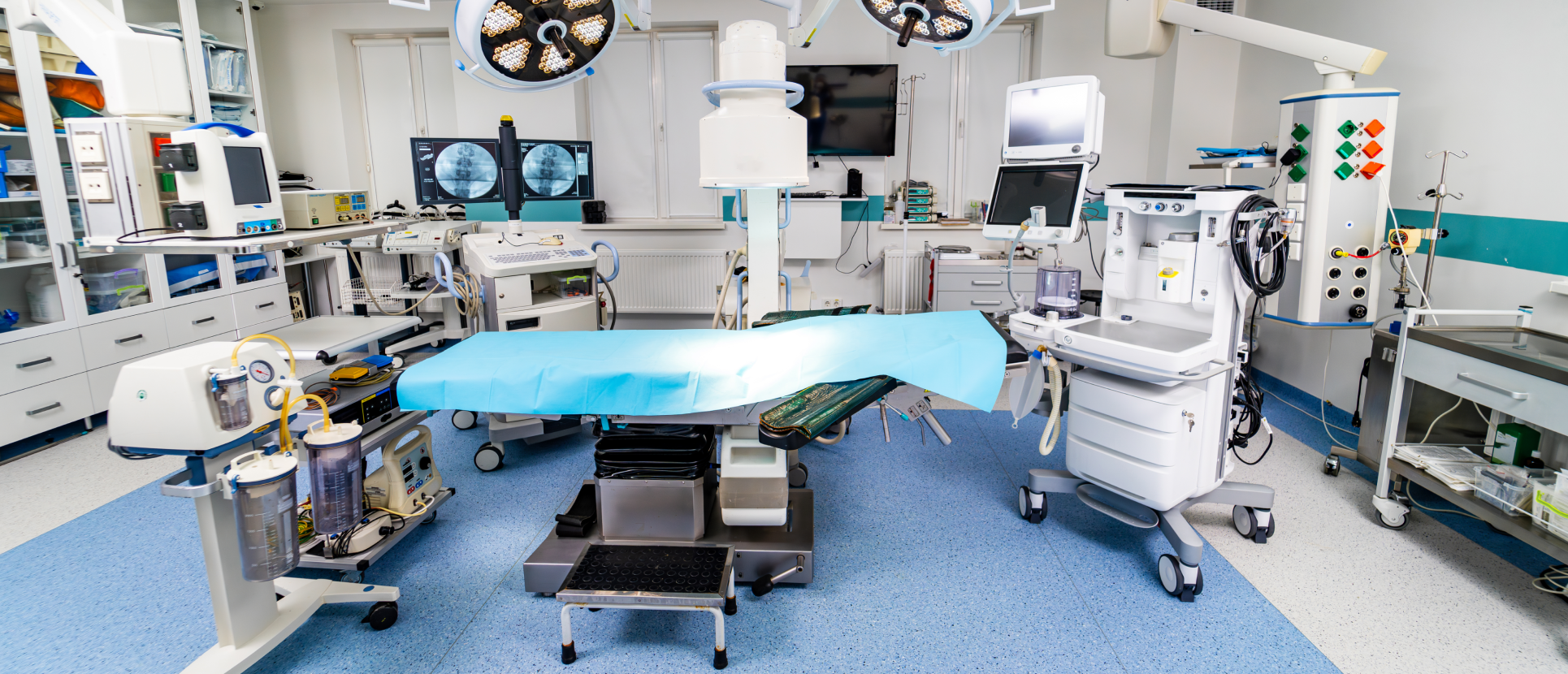
- Epidural electrical stimulation (EES): Electrodes are surgically implanted onto the spinal cord, stimulating specific nerve roots involved in walking.
- Closed loop systems: Advanced implants adjust stimulation in real time based on movement intention, detected through sensors or brain signals.
- Combined therapy: Patients undergo intensive physical rehabilitation along with stimulation, retraining the nervous system to control movement.
Notable success stories
Several clinical trials have demonstrated life-changing results:
- 2018 (Switzerland): Researchers from EPFL and Lausanne University Hospital helped three paralyzed men walk again through EES and rehabilitation. After months of training, they were able to take action with support.
- 2022 (US): A study published in Nature reported that nine SCI patients regained the ability to stand and walk with a walker after epidural stimulation.
- 2023 (Australia): A patient with complete paralysis walked independently after a novel spinal implant restored voluntary movement.
Challenges and future directions
While the results are promising, challenges remain:
- Surgical risks: Electrode implantation requires invasive surgery.
- Cost and accessibility: Neurostimulation devices are expensive, which limits their widespread use.
- Individual variability: Not all patients respond equally; Researchers are refining protocols to obtain better results.
Future advances may include non-invasive stimulation, AI-powered adaptive systems, and stem cell therapies combined with neurotechnology.
A new era for SCI treatment
Neurostimulation represents a paradigm shift in the treatment of paralysis. While not yet a cure, it offers unprecedented functional recovery for SCI patients. As research progresses, these technologies could one day make walking after paralysis a reality for many people.
For now, every step forward is a testament to the power of neuroscience and engineering: bringing hope where there was none before.
Would you like to delve deeper into any specific aspects, such as the latest clinical trials or future innovations?