
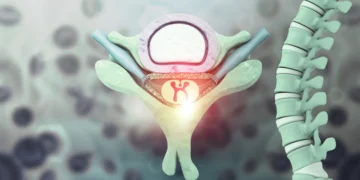
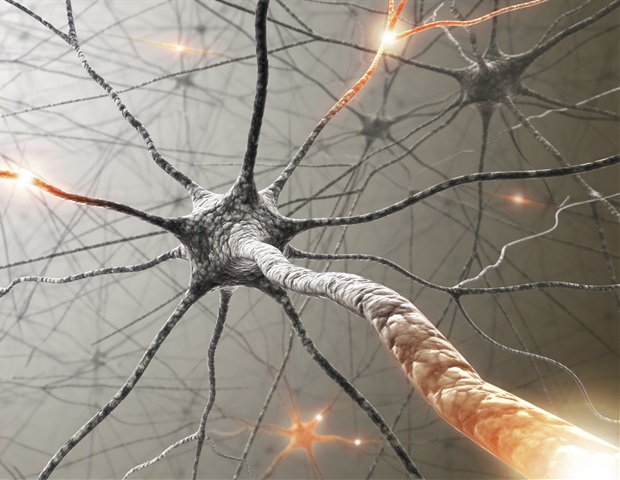


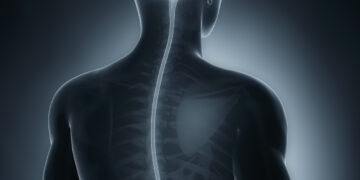











The spinal cord is a vital part of the human body, responsible for transmitting signals between the brain and the rest of the body. When damaged, it can lead to serious and often permanent disabilities. Spinal cord injuries (SCI) can result from trauma, disease, or degeneration, affecting mobility, sensation, and bodily functions. Understanding the types of spinal cord injuries is essential for proper diagnosis, treatment and rehabilitation.
Causes of spinal cord injuries
Spinal cord injuries usually occur due to:
- Trauma (traffic accidents, falls, sports injuries, violence)
- Diseases (tumors, infections, arthritis, multiple sclerosis)
- Degenerative conditions (spinal stenosis, herniated discs)
Types of spinal cord injuries
1. Complete versus incomplete injuries
Spinal cord injuries are classified according to the extent of damage:
- Complete LIC: The spinal cord is completely severed or compressed, leading to complete loss of motor and sensory function below the level of injury.
- Incomplete LIC: Some nerve signals may still pass through the damaged area, allowing partial movement or sensation below the injury site.
2. Classification by injury level
The location of the injury determines its severity and the parts of the body affected:
A. Cervical (neck) injuries (C1-C8)
- More severewhich often causes quadriplegia (paralysis of all four limbs).
- C1-C4 injuries May require respiratory assistance due to breathing problems.
- C5-C8 injuries may allow limited function of the arm and hand.
B. Thoracic (upper/mid back) injuries (T1-T12)
- It usually results in paraplegia (paralysis of the lower part of the body).
- T1-T6 injuries impair trunk control, while T7-T12 injuries may allow for better abdominal muscle function.
C. Lumbar (lower back) injuries (L1-L5)
- It affects the hips and legs, often causing partial paralysis.
- Some patients can walk with braces or assistive devices.
D. Sacral (pelvic) injuries (S1-S5)
- It usually causes loss of bowel/bladder control and some weakness in the legs.
- Walking may still be possible with therapy.
Diagnosis and treatment
Diagnosis:
- MRI and CT scan to assess the damage.
- X-ray to detect fractures.
- Neurological exams to evaluate the function.
Treatment options:
- Emergency care: Stabilization to avoid further damage.
- Surgery: To remove bone fragments, relieve pressure or stabilize the spine.
- Rehabilitation: Physical therapy, occupational therapy and assistive devices to improve independence.
- Medications: Pain management, muscle relaxants and anti-inflammatory medications.
Living with a spinal cord injury
While some SCIs cause permanent disability, advances in medical technology (such as research into nerve regeneration and exoskeletons) offer hope for improved mobility. Psychological support and coping strategies also play a crucial role in recovery.
Conclusion
Spinal cord injuries vary widely in severity and impact. Early medical intervention and personalized rehabilitation can significantly improve quality of life. Continued research into stem cell therapy and neural prostheses could one day provide more effective treatments and offer hope to millions of people affected by spinal cord injuries.
If you or a loved one has suffered a spinal cord injury, consult a specialist to explore the best treatment and recovery options available.
Would you like additional details on rehabilitation techniques or emerging treatments for SCI? Let me know how I can refine this article further!