

















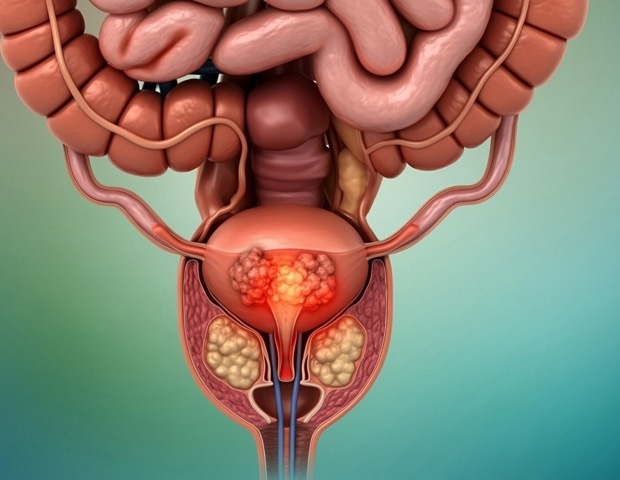
Men whose prostate cancer returns after surgery or radiation therapy can now benefit from a new drug combination that has been shown in clinical trials to reduce the risk of death by more than 40%.
The combination therapy, which adds a drug called enzalutamide to commonly prescribed hormone therapy, reduced deaths in patients with recurrent prostate cancer after surgery or radiation for whom other treatments are no longer an option. The trial results were published in The New England Journal of Medicine (NEJM) and were presented simultaneously during the European Society for Medical Oncology (ESMO) Congress on October 19 in Berlin.
“After initial treatment, some patients see their prostate cancer return aggressively and are at risk for the disease to spread rapidly,” said Stephen Freedland, MD, director of the Center for Integrated Cancer and Lifestyle Research at Cedars-Sinai Cancer and co-principal investigator of the study. “Hormone therapy, which is what we’ve been offering patients for 30 years, hasn’t improved survival and neither has anything else. That makes these findings a real game-changer.”
The trial included more than 1,000 patients from 244 sites in 17 countries. All patients were diagnosed with what is known as high-risk biochemically recurrent prostate cancer. After patients’ surgery or radiation therapy, levels of prostate-specific antigen, or PSA, in their blood rose rapidly. PSA is a protein used to detect prostate cancer, and a rapid rise in PSA levels after treatment indicates that the patient’s cancer is likely to return and often spread to the bones or spine.
“We know that these patients are at high risk of developing metastatic disease and dying from cancer unless we offer a meaningful treatment option,” said Freedland, Robertson Professor of Urology and the Warschaw Family Law Chair in Prostate Cancer.
Patients were randomly selected to receive standard hormone therapy alone, enzalutamide alone, or a combination of both. After eight years, the risk of death was 40.3% lower in the combined group than in the other two groups, Freedland said.
This clinical trial, one of many that Cedars-Sinai Cancer has offered to its patients, is an example of the translational work our physician-scientists do. The result will be better treatment and better outcomes for patients everywhere.”
Robert Figlin, MD, interim director of Cedars-Sinai Cancer
Freedland noted that, based on previous results published by the team, enzalutamide is approved by the Food and Drug Administration and is listed in the National Comprehensive Cancer Network treatment guidelines. These latest results, he said, are likely to strengthen the network’s recommendation and solidify this drug combination as the standard of care for patients with high-risk biochemically recurrent prostate cancer.
“These important findings identify a treatment that prolongs survival in men with aggressive prostate cancer,” said Hyung Kim, MD, urologic oncologist and chair of the Department of Urology at Cedars-Sinai. “The latest analysis complements previous studies that found that enzalutamide significantly improved survival in other prostate cancer settings and will change the way we care for our patients.”
Fountain:
Magazine reference:
Shore, North Dakota et al. (2025). Improved survival with enzalutamide in biochemically recurrent prostate cancer. New England Journal of Medicine. doi.org/10.1056/nejmoa2510310