

Spinal Cord Injury
A spinal cord injury is a severely impactful medical condition that leads to loss of movement, feeling, and bodily functions below the injured area. The spinal cord is the main route for communication between the brain and the body. Therefore, if this route is blocked as a result of an accident, illness, or wear and tear, the effects could be either short-term or long-term. Identifying the problem quickly, providing the best available treatment, and having a well-planned recovery are the three key factors that can help improve the situation and bring back the freedom of movement. Learn more about the Spinal Cord Injury, Symptoms, Surgery & Rehab Guide.
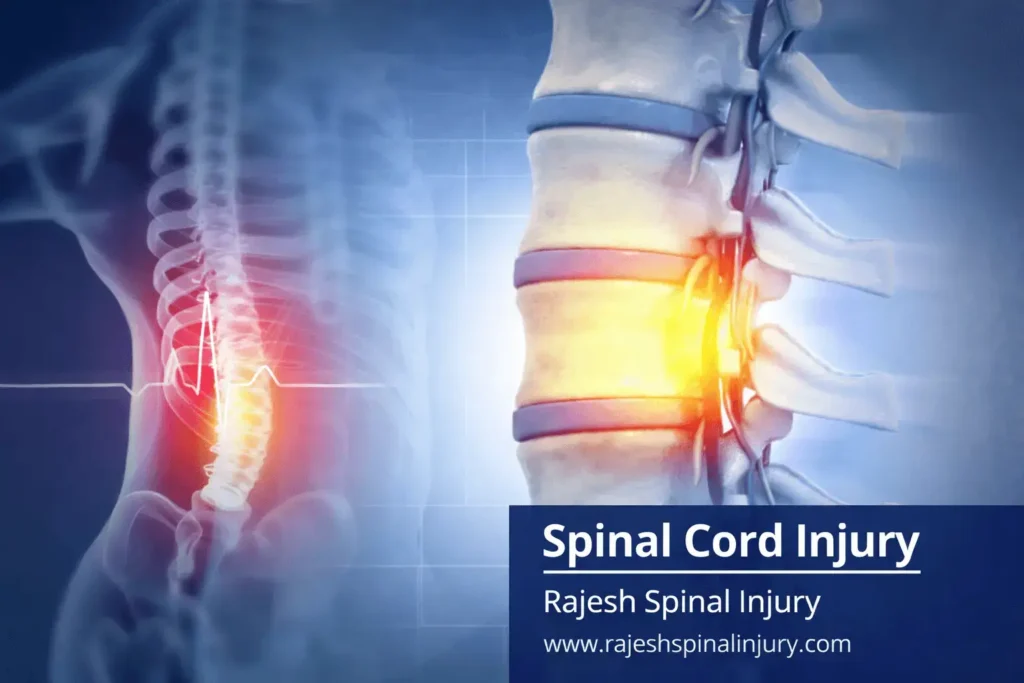
Understanding SCI
A spinal cord injury can be a result of various factors:
- Such as road accidents
- Falls
- Sports-related injuries
- Violence
- Tumors
- Infections
Basically, injuries are divided into complete (total loss of function below the level of injury) and incomplete (partial preservation of sensation or movement). The severity is determined by the location and the extent of the damage. For instance, cervical injuries may cause quadriplegia, whereas thoracic or lumbar ones mostly lead to paraplegia.
One of the most important factors of survival and recovery is getting medical help right away, aimed at avoiding secondary injury, which can be caused by swelling, bleeding or lack of oxygen to the spinal tissues.
Spinal Cord Injury Symptoms
Recognizing spinal cord injury symptoms as early as possible can help save lives and prevent permanent damage. Symptoms of spinal cord injury vary depending on the location of the injury, but can include:
- Losing function in arms or legs
- Loss of feeling, such as to touch, heat or cold
- Difficulty breathing
- Inability to control bladder or bowel movements
- Severe back pain or pressure
- Muscle weakness or paralysis
Symptoms of spinal cord injury may be present immediately after the trauma, or can emerge gradually in response to swelling or bleeding. Emergency medical care is vital if there are symptoms of a SCI. This helps reduce further sci through prompt immobilization and hospital evaluation.
Spinal Cord Injury Surgery
If conservative treatment is not enough, it may be necessary to perform spinal cord injury surgery. One of the main objectives of spinal cord injury surgery is to reduce spinal cord pressure, along with stabilizing fractured vertebrae and preventing further neurological deterioration. Surgery may involve decompression, removing bone fragments, or spinal fusion with the use of rods and screws.
Significant advances more recently have made the safety aspects and recovery times of minimally invasive techniques much better. Nevertheless, decision, making factor for any surgery depends on the nature of the injury, patient stability, and overall health condition. Early surgery, in particular, may lead to a higher probability of functional recovery, especially where the injury is incomplete.
Spinal Cord Injury Rehab
Recovery is not just about hospital treatment, but further rehab is what really helps a person to live a normal life again. Spinal cord injury rehab is a lengthy, multidisciplinary team effort aimed at increasing independence and enhancing the quality of life to the fullest. A detailed spinal cord injury rehab program will include physiotherapy, occupational therapy, psychological support, and training in the use of assistive devices.
Rehabilitation works on the patient’s spared muscle strengthening, protection against the development of pressure sores, enhancement of the patient’s mobility, and re-education of the acquired skills. Technologies such as robotic gait training, electrical stimulation, and functional exercises may further improve the brain’s plasticity and the patient’s functional level. Psychological help is a part of the treatment that can’t be overlooked, as both the patient and the family need to be able to cope with the situation.
If a person stays committed to the programs over an extended period, he/she will likely achieve a great functional status and be free from other health problems.
Spinal cord injury rehab usually involves:
- Exercises aimed at strengthening muscles and increasing mobility
- Occupational therapy to help the patient get back daily living skills
- Training on the use of assistive devices like wheelchairs or braces
- Bladder and bowel management programs
- Psychological counselling and emotional support
Starting rehab soon after SCI results in more effective recovery and helps in preventing issues such as muscle wasting, pressure ulcers, and joint stiffness. Regular attendance of SCI rehab sessions equips patients with the skills necessary to live as independently as possible.
Comprehensive Care and Long-Term Outlook
The treatment of a spinal injury needs the cooperation of neurologists, spine surgeons, rehabilitation specialists, and nursing teams. The recognition of the symptoms of SCI at an early stage, performing a SCI surgery at a timely manner, and dedicating to SCI rehab are the main points for a patient to get well.
It is not always that a person can be fully made well, but the current medical science and rehabilitation therapies have significantly increased the rate of survival as well as the standard of living. People with the aid of the right medical support, assistive technologies, and efficient rehabilitation planning may regain their freedom and lead an engaging life both at work and at home.
Should a person or persons become aware of the symptoms of a spinal injury, the need for medical attention is immediate. A measurable difference is the result of early action in the case of preserving the neurological function and, hence, having a good basis for recovery.