What is Rehabilitation?
Rehabilitation is a formal medical and therapeutic strategy targeted at assisting people to become self-reliant again, to recover the functions lost, and to lead happier and fuller lives following an illness or injury. Many people resort to search for What is Rehabilitation of Spinal Cord Injury, and physical therapy when they personally face a serious health condition or, on the other hand, when they attempt to help a recovering loved one. Generally, rehabilitation is not a single treatment but rather a coordinated mix of different therapies, medical care, and long-term support in order to help a person reach their maximum functional potential.
Knowing What is Rehabilitation involves understanding the aim of it first. It mainly revolves around regaining mobility, physical, communication, and self-care skills. The process also covers emotional well-being, societal reintegration, and the achievement of vocational independence. No matter if the recovery is from surgery, trauma, neurological damage, or chronic illness, rehabilitation sets a firm and confident footing for the one who is getting well.
Understanding Spinal Cord Injury Rehabilitation
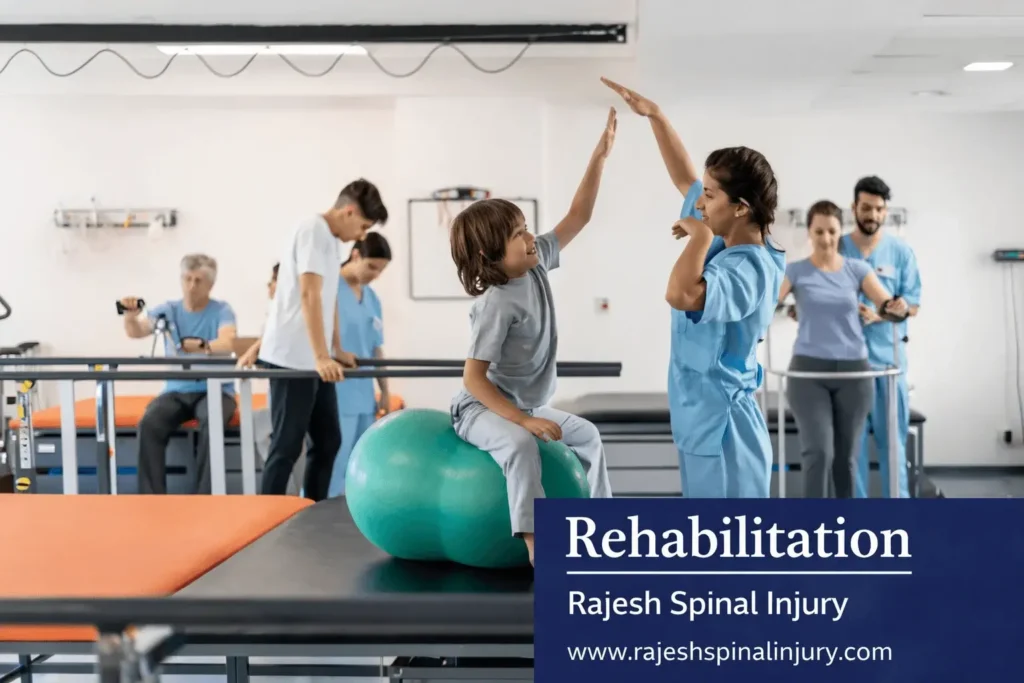
One of the essential aspects of recovery includes spinal cord injury rehabilitation. Spinal cord injury may disrupt various functions such as movement, sensation, bladder control, breathing, and it can also affect the level of independence. Research proves that early and well-organized spinal cord injury rehabilitation can greatly enhance the long-term prognosis.
Spinal cord injury rehabilitation usually comprises:
- Training for mobility
- Muscle strengthening
- Exercises for balance and coordination
- Training with assistive devices
- Pain management
- Bladder and bowel management education
- Psychological counseling
The rehabilitation journey is initiated soon after the patient’s condition is stabilized in the hospital and it may last for several months or even years. The target of spinal cord injury rehabilitation is to assist patients in achieving the highest level of functional independence and adjusting to the new physical conditions.
Physical Rehabilitation: Restoring Movement and Strength
Physical rehabilitation is primarily concerned with restoring physical functionality and movement. It is necessary in cases of accidents, strokes, surgeries, fractures, and neurological conditions.
Some of the components of physical rehabilitation are:
- Therapeutic exercises
- Range of motion (ROM) training
- Strength, building routines
- Walking training
- Postural correction
- Functional mobility exercises
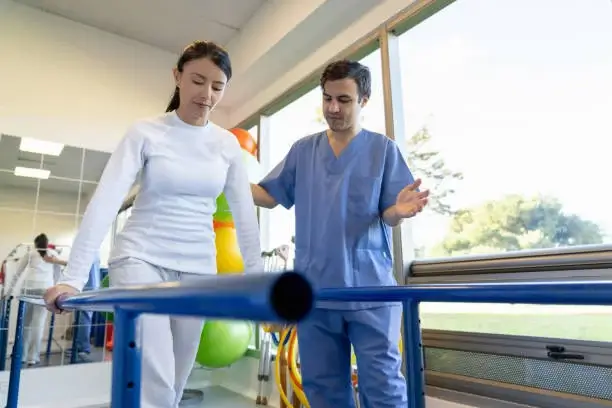 By undergoing a planned and regular physical rehab program, the patients get their muscle strength, flexibility, stamina, and coordination back. Besides, it facilitates the prevention and a quicker resolution of secondary complications (muscle stiffness, pressure ulcers, etc.). Physical rehab is also beneficial as it relieves pain and improves the overall functioning of the body.
Besides, neurological rehab is one of the subsectors of the medical rehab program, which involves helping patients with brain and nervous system injuries to reeducate their movements with the assistance of repetitive and controlled activities that bring about neuroplasticity.
Rehabilitation Therapy
Rehabilitation therapy is basically a combination of various therapies interacting with each other to provide recovery support. It may include:
- Physical therapy
- Occupational therapy
- Speech therapy
- Psychological counseling
- Vocational rehabilitation
Rehabilitation therapy takes into account the physical as well as the mental difficulties. For example, occupational therapy helps patients get their normal lifestyles back by activities such as dressing, cooking, and writing. Speech therapy helps to improve communication and swallowing. Psychological support provides patients with the strength in their minds from which to draw energy during recovery.
An integrated rehab therapy program plans, organizes and coordinates all the different treatment procedures so that they fit together the different needs of the patient.
Goals of the rehabilitation
The main goals are:
- Restoring independence
- Enhancing physical function
- Minimizing pain and the occurrence of health problems
- Enhancing quality of life
- Maintaining mental health
- Facilitating social interaction
When asking What is Rehab?
You should realize that it cannot be a single therapy or treatment but a continuous process. Healing may comprise slow progress, use of adaptive mechanisms, and regular supervision of specialists.
When Is Rehab Required?
Rehabilitation may be necessary in the following examples:
- Spinal cord injury
- Stroke
- Brain injury
- Orthopedic surgery
- Chronic neurological disorders
- Severe trauma
Starting early gives better results. Especially when it is about a spinal cord injury, rehabilitation can bring better results if the patient is started on the therapy as soon as being medically stabilized.
Conclusion
In short, rehab refers to a thorough and patient, focused recovery process that aims to achieve the restoration of independence and improvement in the quality of life. Components such as spinal cord injury rehab, physical rehab, and integrated rehab therapy are different methods that collectively aim at functional improvement.
Rehab is much more than just medical care; it is a pathway to reestablishing one’s power, self, worth, and dignity. When properly guided and with determination, individuals are capable of a significant recovery and taking over their lives once more.