

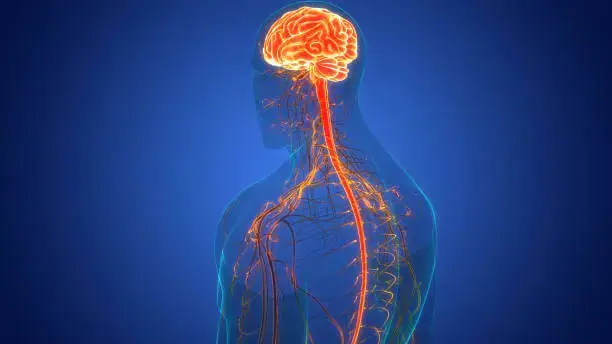
This is because the spinal cord is a communication highway. The secondary and tertiary injuries following spinal cord trauma are systemic and have wide-ranging effects. A spinal cord injury doesn’t only traumatizes the spine, but also the brain is involved too. This means patients, families, and even a spinal cord injury attorney must understand the brain’s role in this life-altering injury.
The Brain-Spinal Cord Connection
The brain and spinal cord constitute the central nervous system. Thus, the brain sends signals through the spinal cord to control movement, sensation, and organ function. In the case of a spinal cord injury, this channel of communication is cut off. The brain itself may not get any injury but it has to get accustomed to the sudden loss of input and output signals.
Such a disruption can result in brain structural and functional alterations. Studies show that, after a spinal cord injury, some areas of the brain will shrink or become reorganized due to the lack of enough sensory feedback. These neurological adjustments form part of brain plasticity process.
Neuroplasticity After Spinal Cord Injury
Neuroplasticity is a brain’s capacity to rewire itself through the establishment of new neural pathways. Neuroplasticity is a brain reorganization after new neural connections have been established. The motor cortex areas that previously controlled movement below the injury level may start to respond differently.
However, this reorganization is not always useful. Maladaptive plasticity manifests in chronic pain or phantom sensation in this regard. This is why early rehabilitation is essential. In this regard, a competent spinal cord injury attorney helps clients to seek compensation to cover expenses for continuous therapy and treatment.
Cognitive and Emotional Changes
Aside from physical impairments, a spinal cord injury may affect mental health or cognitive ability. The individual is proposed to experience;
- Concentration problems
- Memory Problems
- Depression and anxiety
- Emotional instability
These effects can result from inflammation, medication side effects, reduced mobility, or the psychological trauma of the injury itself. In such traumatic spinal cord injury cases, especially from severe accidents, mild traumatic brain injury (TBI) can also accompany the injury.
Organizations like the Christopher & Dana Reeve Foundation lays emphasis on the importance of physical and psychological recovery measures after spinal cord injury.
Changes in Brain Structure
The studies using advanced imaging including MRI scans have shown that spinal cord injury results in measurable changes in brain volume. Structural changes resulting from ‘disuse atrophy’ may also occur in the motor cortex, sensory cortex, and cerebellum (Yoon et al. In the long run, constant lack of sensory input can make some neural pathways falter.
There are inflammatory responses that follow spinal cord injury and these too possibly influence brain chemistry. The inflammatory responses following SCI may also affect the brain chemistry.
Chronic Pain and Brain Processing
Neuropathic pain is one of the common phenomena after spinal cord injury. The brain is instrumental in processing pain signals. This essay will argue that pain perception can be amplified or altered when spinal cord-brain communication is compromised. This explains why individuals subjectively describe burning and stabbing sensations, even in the absence of physical stimuli.
A spinal cord injury attorney understands that chronic pain and neurological complications pose a major threat to one’s quality of life. Spinal Cord Injury Attorney knows that chronic pain and neurological complications are invisible but just as important prognosticators of quality of life (ibid).
Hormonal and Autonomic Effects
The brain regulates hormones and autonomic functions like heart rate and blood pressure. Spinal cord injury, therefore, can interfere with these regulatory systems. Such conditions as autonomic dysreflexia also result when abnormal signaling below the level of injury causes hypertension (ACSQH, n.d.). This just proves how tightly coupled the brain and spinal cord are.
In such a case, it is important to have extensive medical documentation. Comprehensive medical documentation is crucial in such cases.
Long-Term Brain Health
Spinal cord injury presents the challenge of perpetual adjustment. Spinal cord injury is a lifelong adaptation process; Neurostimulation, regenerative therapies, and other treatment options are in progress that can help improve the communication between the brain and spinal cord.
If a spinal cord injury was caused through negligence, consulting a spinal cord injury attorney can help to secure resources that are required for lifelong care. Legal guidance ensures that victims receive compensation funds to cover neurological treatment, assistive technology, and emotional support services.
Conclusion
A spinal cord injury does not only affect movement and sensation—it also affects brain structure, emotional health, pain processing, and cognitive function. Neuroplasticity ensures that the brain will adapt to these changes drawing both recovery and complications in consequence. Therefore, the changes and effects of spinal cord injury on the brain emphasize the need for effective treatment, rehabilitation, and legal attention if necessary.