

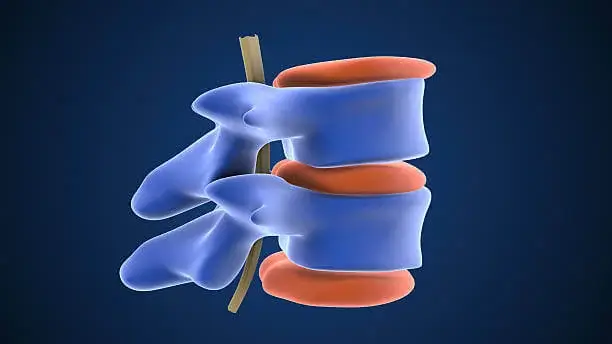
Injury to the spinal cord can change life in deep ways, shifting movement, feeling, and body signals. People often wonder, what progress exists toward healing such damage? New steps in brain science, tissue repair methods, and physical training have pushed boundaries further than before. Total recovery remains out of reach at this stage. Yet fresh approaches bring real gains, small wins that add up across time and effort.
Spinal Cord Injury Explained
Signals travel along a nerve pathway called the spinal cord, linking brain to body. If crashes, spills, or rough play harm it, messages can get blocked. How much function fades depends on where and how badly it’s hurt.
What happens after a brain or spinal injury isnt just about the first impact. Following that moment, swelling kicks in, then cells begin to die off. Researchers are learning how to slow these later effects. Work today looks at ways to protect tissue once the initial harm is done. Nerves might even regrow under the right conditions. Progress comes not from fixing the original wound but by changing what happens next.
Breakthrough Research and Experimental Treatments
Scientists at places like Mayo Clinic and Johns Hopkins are diving into treatments using stem cells, protective medicines for nerves, along with surgical methods to bridge injured areas. These special cells step in where damage exists, filling gaps left by harm while sparking healing. Trials now check how electric pulses, delivered through implants near the spine, wake up dormant pathways beneath wounds. Progress hums quietly under layers of careful study.
On top of that, scientists are working on artificial structures along with altering genes to help nerves regrow. Even though these methods show potential, tests on people are ongoing, meaning theyre far from being proven solutions.
Rehabilitation and Neuroplasticity
What stands out lately is how the nervous system adapts, rewiring itself even after injury. Thanks to focused training, movement tasks that seemed lost may return slowly. Devices that guide motion help reshape neural pathways over time. Efforts built around daily actions often lead to measurable gains.
Recovery hints show up fast when treatment stays on track after a spinal cord injury. Twitches in muscles might appear first, sometimes alongside sharper feeling or better grip over bladder functions. Progress can sneak in through small moves the person begins to make by choice. Sticking with rehab sessions right from the start helps these signals pop more often.
Realistic Thoughts on Finding a Cure
Still, progress speeds up even though fixing every case feels far off. Regrowth in the spine? Rare. Each damage differs wildly. Yet some scientists see hope, mixing cell therapy with jolts of electricity plus retraining nerves might bring back real movement one day.
Not every healing path ends in complete repair, still, progress shows up in steps like moving easier or fewer health setbacks. What matters often comes through small wins: daily comfort, steady gains, a sense of control returning. Spotting subtle shifts soon after spinal trauma can shape how care unfolds, keeping effort alive during tough phases.
Hope for the Future
Right now, the chance of fixing spinal cord damage feels nearer than at any point in the past. Breakthroughs in science push things forward, while better trial methods add momentum. Progress in recovery techniques also plays a role, shaping whats possible today. A full fix still does not exist, true. Yet steady steps in study suggest stronger therapies could arrive soon, maybe even something permanent down the road.
Should recovery be part of your journey, knowing what’s new in treatment might help. Watch for shifts, small changes could signal progress after spinal cord damage. Each finding nudges science forward, inching toward regained movement and self, reliance for people living with SCI.